Nigel Farage’s popularity is plummeting. In Clacton, voters say they are losing faith
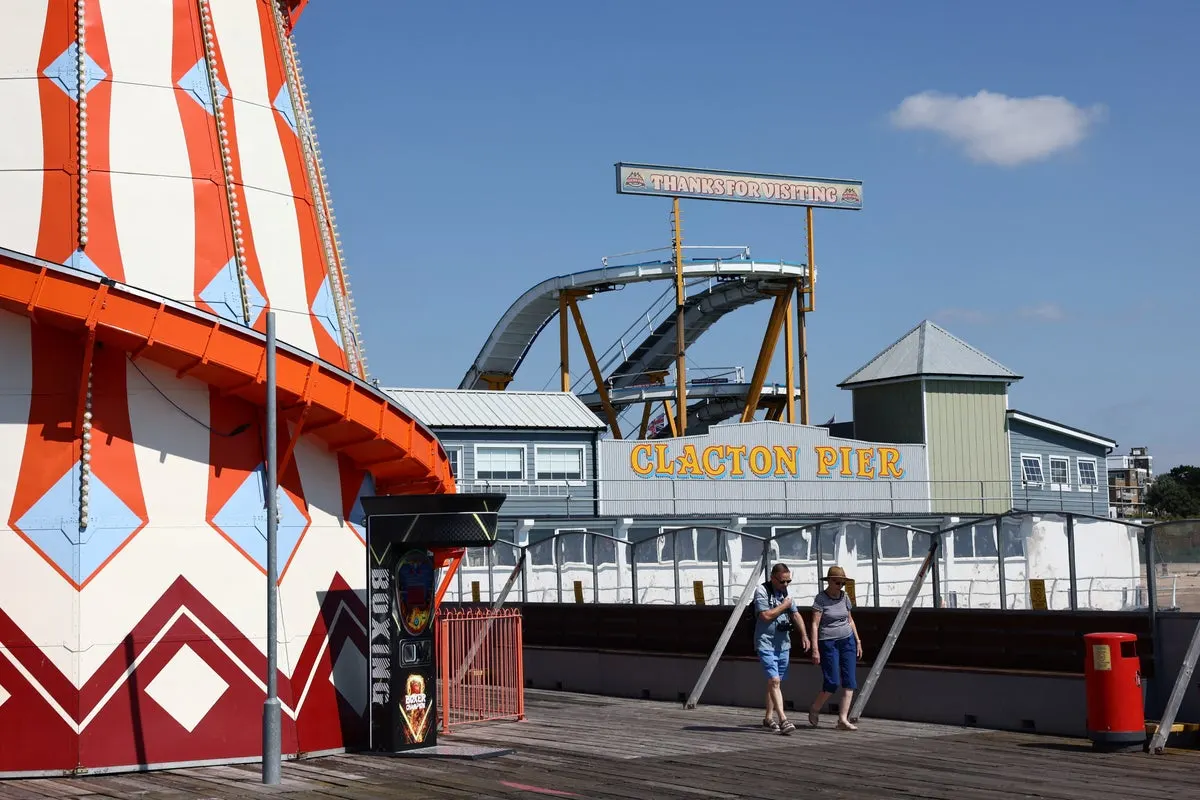
Nigel Farage triggered a by-election in Clacton after resigning his seat in protest at media and parliamentary scrutiny over undeclared gifts and donations, including benefits linked to adviser George Cottrell, a convicted fraudster. Two years after winning the constituency in a landslide, the Reform UK leader's approval has fallen to its lowest level since the 2024 general election, and voters in the seaside town say he has failed to deliver noticeable change, with some pollsters suggesting satirical rival Count Binface could take up to 20 per cent of the vote.
Residents interviewed by The Independent expressed frustration and apathy: 81-year-old Phil Roberts, who backed the previous Conservative MP, called the by-election "unnecessary" and likened it to a child "throwing its dummy into the street"; 66-year-old Lesley Noakes said "nothing has changed" despite Farage's promises; and 37-year-old Amy Smith said she had seen little of Farage himself despite a heavy Reform campaign presence. Several voters criticised the major parties for not fielding candidates and said the area still lacks investment and facilities, even as they praised Clacton's community spirit.
In short
- Farage's Clacton by-election follows resignation amid donation and gift scrutiny.
- His approval has hit its lowest point since the 2024 election.
- Voters cite lack of visible change; rival Count Binface may poll well.
Steelman: both sides, in good faith
The strongest fair case each way — we don't pick a winner.
The case for
Farage won Clacton on promises of transformative change, yet two years on, the constituency still faces the same investment and infrastructure deficits, whilst residents report his absence from the community despite heavy campaign activity. His decision to trigger a by-election by resigning over undeclared gifts raises questions about whether he prioritises constituent welfare or personal political considerations.
The case against
Supporters argue that meaningful economic transformation requires substantially more than two years, particularly when addressing decades of systemic underinvestment that lies partly beyond any single MP's control. They maintain that Reform UK, as a new political force, faces structural disadvantages and entrenched opposition that inhibit rapid visible progress, but contend the party's broader political impact justifies their backing despite local disappointment.
Explained simply
Clacton-on-Sea is a coastal town in Essex and a parliamentary constituency, where residents elect an MP to represent them in the House of Commons. Nigel Farage, leader of Reform UK, won the seat in the 2024 general election, when the party made gains by campaigning on issues including immigration and dissatisfaction with established parties.
An MP can leave office before an election, prompting voters in that constituency to choose a replacement. The account says Farage resigned after scrutiny of gifts and donations, including benefits linked to his adviser George Cottrell, who was convicted of fraud. The contest matters because voters are weighing Farage’s record against his promises, while wider concerns about local investment and services shape how people view their representation.