World news and discussion on TalkFuse.
Nigerian pastor highlighted by Trump says he’s next after militia kills his relatives
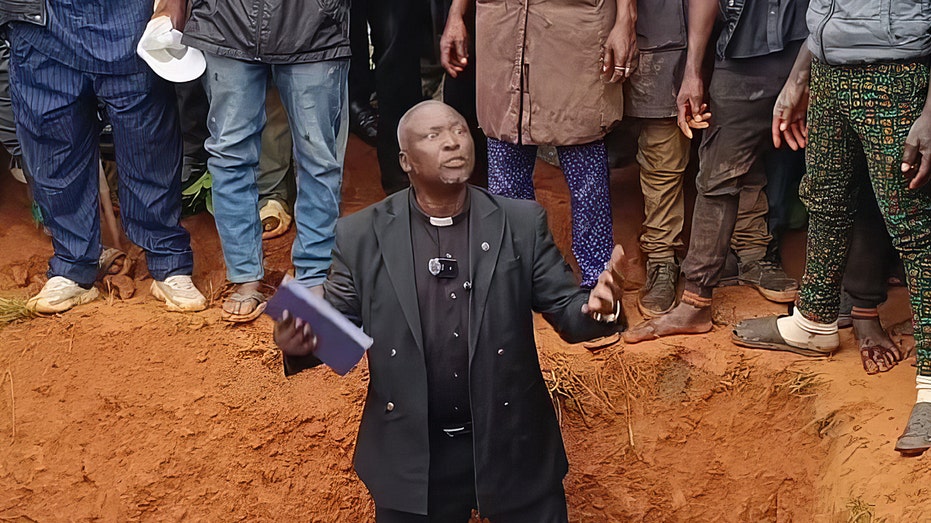
A Nigerian pastor, Rev. Ezekiel Dachomo, previously highlighted by US President Donald Trump on social media, says nine members of his family have been killed by the Fulani militia and that he believes he is now being targeted himself. Dachomo is a vocal critic of the killing of Christians in Nigeria by radicalised Muslim members of the Fulani militia, and his case has drawn attention amid wider concerns over religious violence in the country. The report matters because it underscores ongoing international scrutiny of Christian persecution in Nigeria, an issue that has drawn comment from senior US political figures.
The article notes that US lawmakers, including Rep. Riley Moore, have visited Nigeria to investigate Christian persecution amid terror attacks, with survivors sharing firsthand accounts. Trump has previously used his platform to spotlight Dachomo's activism and the broader plight of Christians facing militia violence in the region, and pressure on the organisations blamed for the attacks has reportedly increased as a result.
In short
- Nigerian pastor Ezekiel Dachomo says nine relatives killed by Fulani militia
- Trump had previously highlighted the pastor's activism on social media
- US lawmakers visiting Nigeria to probe Christian persecution claims
Explained simply
Nigeria’s violence involves armed groups, including factions of the Fulani militia, whose attacks have affected communities in parts of the country. Some attacks have targeted Christians, while insecurity in Nigeria has also affected people of other faiths and backgrounds.
Rev. Ezekiel Dachomo is a Nigerian pastor who has spoken publicly about attacks on Christians. US President Donald Trump has highlighted his activism, and American lawmakers, including Riley Moore, have visited Nigeria to hear accounts from survivors.
The violence has drawn attention abroad and raised questions about how to protect communities and hold attackers accountable. Understanding this wider context helps explain why reports about Dachomo have become part of international discussion about religious violence in Nigeria.