Nigerian security forces rescue more than 300 abductees
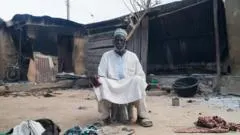
Nigerian security forces have rescued 308 people who had been abducted in separate attacks in Niger and Kwara states, in what the presidency described as the largest single-day rescue operation the country has carried out. The joint operation, involving the military, police, intelligence services and the National Counter-Terrorism Centre, freed the victims from the Kainji Lake National Park. It comes amid growing concern over a wave of abductions spreading beyond Nigeria's traditional conflict zones.
Among those freed were 163 people taken during a February attack on the Woro community in Kwara State, where jihadists reportedly killed scores of residents who refused to renounce the government and follow their teachings; at least 145 more had been abducted in Niger State. It is not yet known whether any suspects were detained. The rescued victims are receiving medical care at a military site ahead of being reunited with their families, and President Bola Ahmed Tinubu praised the operation as evidence of improved coordination between security agencies. The rescue follows the recent freeing of 44 pupils and teachers abducted in a school attack in Oyo State after more than 50 days in captivity.
- Nigerian forces rescued 308 people abducted in Niger and Kwara states
- Presidency calls it the largest single-day rescue operation to date
- Comes weeks after 44 abducted Oyo State pupils and teachers were freed
New here? Start with this
Nigeria has been battling armed groups, including jihadist fighters and criminal gangs often referred to as "bandits," who carry out mass kidnappings for ransom or ideological reasons. These attacks were once concentrated in the north-east, where groups such as Boko Haram operate, but have increasingly spread to other regions, including central and north-central states such as Niger and Kwara. Communities in rural and forested areas, including those near national parks, are particularly vulnerable, as attackers can hide out and move victims across large, sparsely policed territories.
Nigeria's security response involves several agencies working together, including the military, police, intelligence services and a dedicated counter-terrorism body, though coordination between them has often been criticised as weak. President Bola Ahmed Tinubu, in office since 2023, has faced pressure to show progress against insecurity, which remains one of the most pressing issues affecting ordinary Nigerians. Mass abductions of this kind draw national and international attention both because of the scale of suffering involved and because they raise questions about the government's ability to protect its citizens.
This story matters because it reflects a wider pattern of insecurity affecting parts of Nigeria far from the areas most associated with conflict, unsettling communities and prompting scrutiny of how effectively the state can respond. Large-scale rescues are relatively rare, so they are often used, by officials and critics alike, as a measure of how the security situation is evolving.