World news and discussion on TalkFuse.
Nigeria’s president approves largest military expansion in recent times
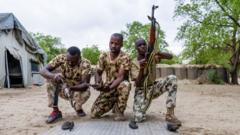
President Bola Tinubu has approved Nigeria’s largest recent military expansion, authorising 28,000 additional soldiers and four new army divisions to address persistent violence by jihadists, separatists and kidnapping gangs. The move matters because insecurity remains widespread despite recent military successes, placing the government under pressure to improve protection for civilians.
The expansion will raise the number of army divisions to 12, with three additional headquarters planned for north-east and central regions affected by Islamist attacks, banditry and farmer-herder violence. It follows killings in Zamfara and the abduction of 46 students in Borno, while Tinubu has also announced more than 50,000 police recruits and a record 5.41tn naira (£3bn) defence and security budget; experts warn recruitment could be difficult amid military casualties.
In short
- Nigeria will recruit 28,000 soldiers and create four army divisions.
- The measures target worsening jihadist, kidnapping and separatist violence.
- Wider security plans include 50,000 police recruits and record funding.
Steelman: both sides, in good faith
The strongest fair case each way — we don't pick a winner.
The case for
Supporters of the expansion argue that Nigeria faces an acute security crisis affecting millions of civilians, with recent documented attacks and abductions demonstrating urgent need for enhanced military capacity. Expanding military divisions in vulnerable regions could provide better coverage and response capabilities, whilst the military's recent operational successes suggest additional resources would meaningfully improve civilian protection across the country's most affected areas.
The case against
Critics contend that military spending should be weighed against pressing development, health and education needs, and that security cannot be achieved through force alone without addressing underlying causes such as poverty, marginalisation and governance failures. The practical challenges of recruitment amid significant military casualties, combined with historical risks of defence budget corruption, suggest a larger military may not deliver proportional improvements in actual civilian security outcomes.
Explained simply
Nigeria has faced persistent insecurity for many years from multiple sources. Jihadist militants, particularly in the north-east, have waged a deadly insurgency that has killed thousands and displaced millions from their homes. Simultaneously, armed criminal gangs have kidnapped thousands for ransom and extorted rural communities, whilst clashes between farmers and herders over land and water have sparked violence across central regions.
This violence affects the daily lives of millions of Nigerians who live in fear of attacks and struggle to access markets, schools and services. The government has come under sustained pressure to restore security and protect civilians, with each new attack or abduction highlighting the scale of the challenge. Security remains one of the most pressing concerns for the country's population and leadership.
Addressing this violence has proven difficult despite previous military operations against insurgents and criminals. Security forces have achieved some successes but struggle with limited resources, personnel casualties and difficulties attracting recruits willing to serve in dangerous areas. The challenge is further complicated because experts point to underlying factors—poverty, inequality, weak governance and long-standing communal tensions—that fuel the violence.
Africa Government Politics World