World news and discussion on TalkFuse.
Night of US history sees election firsts across creed, colour and sexuality
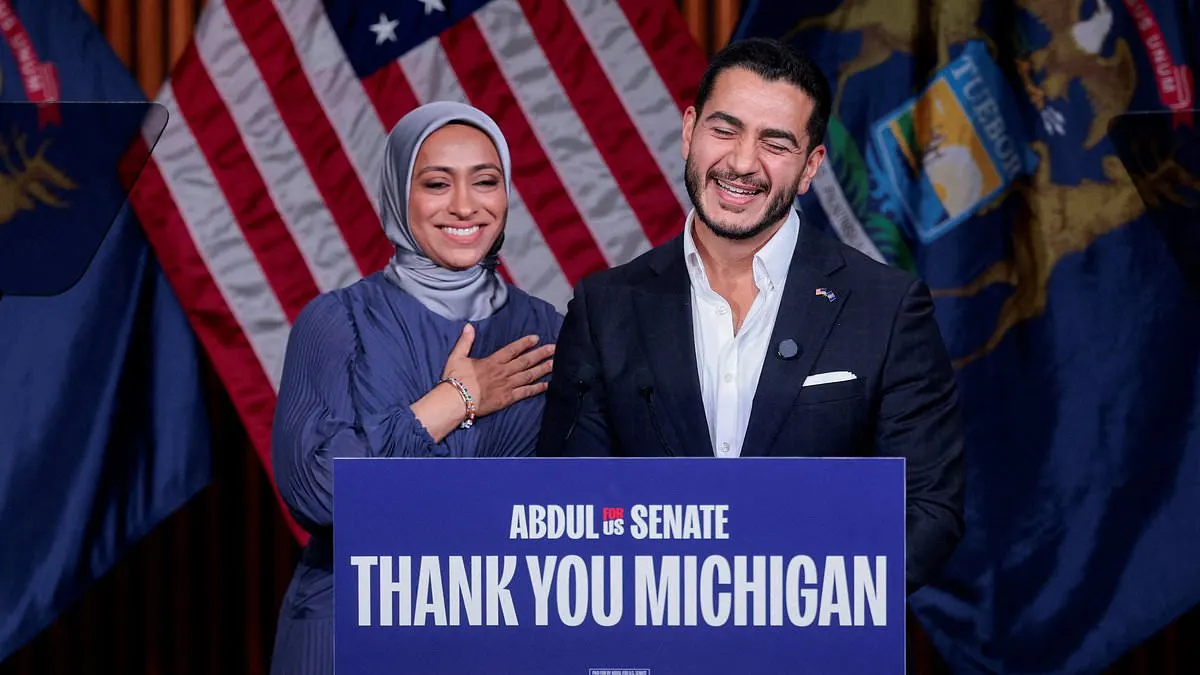
The US elections produced several historic firsts: Michigan elected its first openly Muslim male senator, New Hampshire its first openly gay male senator, and Georgia its first black female governor. The results mark a change in who has held these offices and came amid debate over identity and representation.
In Michigan, Democrat Abdul El-Sayed defeated Republican Mike Rogers after facing attacks and allegations linking him to terrorism and the Muslim Brotherhood, which he denied; the article says his mother was never accused of wrongdoing. Chris Pappas, 46, defeated John Sununu in New Hampshire, having first become the state’s first openly gay member of Congress in 2018. Keisha Lance Bottoms, 56, a former Atlanta mayor and lawyer, won Georgia’s governorship.
In short
- Abdul El-Sayed won Michigan’s Senate race.
- Chris Pappas became New Hampshire’s first openly gay male senator.
- Keisha Lance Bottoms became the first black female governor.
Explained simply
The US elects senators to represent their states in Congress, where they help make federal laws. Governors lead state governments and oversee services and policies within their states. Elections can change who holds these offices and whose experiences are represented in them.
Abdul El-Sayed is a Democrat from Michigan, Chris Pappas is a Democrat from New Hampshire, and Keisha Lance Bottoms is a Democrat from Georgia. El-Sayed and Pappas’s elections mark milestones for Muslim and gay representation in the Senate; Bottoms’s marks a milestone for Black women in Georgia’s governorship.
El-Sayed faced allegations linking him to terrorism and the Muslim Brotherhood, which he denied; the report says his mother was not accused of wrongdoing. These contests took place amid wider debate in the US about identity and representation in public office.
Americas Elections Government Politics World