Business news and discussion on TalkFuse.
Nike unveils plan that suggests its days of putting politics ahead of sports may be numbered | Matt Calkins
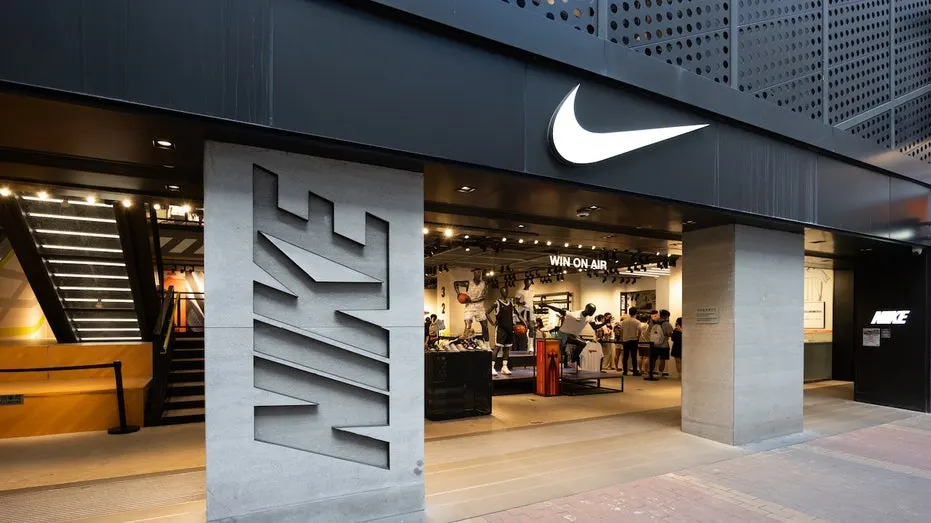
Nike chief executive Elliott Hill has outlined a turnaround plan focused on athletes and sport, signalling a possible shift in the company’s priorities. The strategy matters as Nike tries to recover from a sharp fall in its share price and losses to rivals.
At its first Investor Day in nine years, Nike named running, training, football, basketball and outdoor as priority sports and promised athlete-centred products and marketing. The article also points to business challenges including overreliance on retro shoes, strained retailer relationships, competition from Hoka and On, and weakness in China. Nike said the Caitlin 1 was its largest women’s signature shoe launch.
In short
- Nike’s turnaround plan puts sport and athletes at its centre.
- Its shares have lost half their value in two years.
- The Caitlin 1 was Nike’s largest women’s signature shoe launch.
Steelman: both sides, in good faith
The strongest fair case each way — we don't pick a winner.
The case for
Putting athletes and sport at the centre could help Nike reconnect its products and marketing with customers, sharpen its focus across key sports, and address business problems such as reliance on retro styles and lost ground to rivals. Given falling shares and competition from brands such as Hoka and On, a clearer sports-led strategy may be a practical way to restore growth and retailer confidence.
The case against
A stronger focus on sport does not necessarily require Nike to retreat from social or political engagement, which some customers may see as part of the company’s identity and values. If the shift is driven mainly by short-term commercial pressure, it could alienate those customers while leaving deeper challenges—such as competition, strained retailer ties and weakness in China—unresolved.
Explained simply
Nike is a sportswear company that makes shoes, clothing and equipment, and sells them around the world. Its business depends on attracting athletes and other customers with products, as well as working with shops that sell its goods.
The company competes with established brands and newer running-shoe makers such as Hoka and On. It has also faced weaker sales in China, a reliance on older, popular shoe designs and tensions with some retailers.
Nike’s choices matter to customers, athletes, workers, retailers and investors. Its products and marketing can shape sports culture, while its performance affects a large global business.