Nikki Sixx thought the Ramones had everything Kiss had. So why weren’t they bigger?
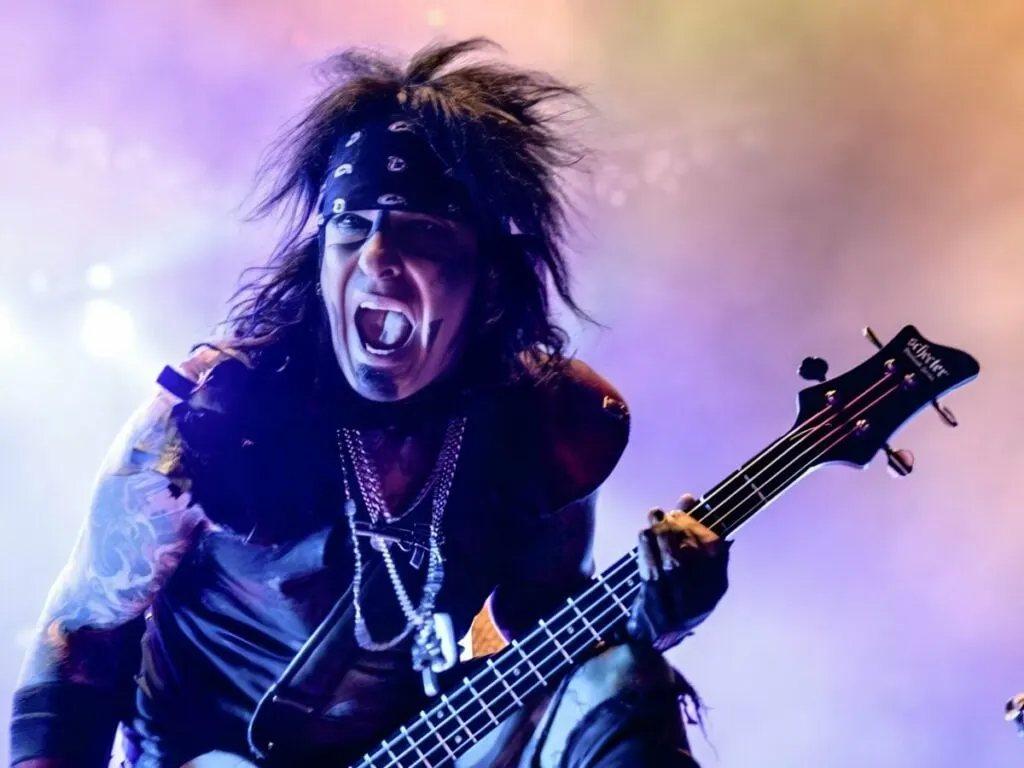
Nikki Sixx said the Ramones were underrated and should have become one of the world’s biggest bands. He argued that they had the memorable look, unified image and catchy songs associated with Kiss, but never achieved comparable commercial success.
The Ramones were influential New York punk pioneers who began playing CBGB in 1974 and earned lasting critical recognition. However, none of their albums reached the US top 40, and their singles rarely charted; the band remained active until 1996, while their reputation endured beyond their record sales.
In short
- Nikki Sixx thinks the Ramones deserved wider success.
- He compared their image and songs with Kiss.
- Their influence outlasted their modest US chart performance.
Steelman: both sides, in good faith
The strongest fair case each way — we don't pick a winner.
The case for
The Ramones had many ingredients of a commercially huge band: an instantly recognisable image, a consistent identity and concise, memorable songs. Their enduring influence and critical reputation suggest their appeal reached well beyond a small punk audience, so limited promotion, industry choices or the era’s tastes may have kept their sales below their potential.
The case against
A distinctive look and catchy songs do not guarantee mass-market success, and the Ramones’ stripped-down sound and confrontational punk identity may have appealed to a narrower audience than Kiss’s arena-ready style. Their lasting influence reflects artistic importance, but that is different from having the broad radio, touring and mainstream appeal needed to become one of the world’s biggest bands.
Explained simply
The Ramones were a New York band who helped shape punk rock, a style built around short, direct songs and a stripped-back sound. They began playing at the club CBGB in 1974, when punk was emerging as a distinct music scene.
Kiss, an American rock band known for theatrical make-up and a coordinated image, became a major commercial success. Nikki Sixx, the Mötley Crüe bassist, has compared the bands’ memorable looks and catchy songs, but the Ramones’ albums and singles sold less widely in the United States.
The Ramones continued performing until 1996 and became highly influential, even without major chart success. Their story shows how a band’s lasting influence and critical reputation can differ from its commercial popularity.