Culture news and discussion on TalkFuse.
Nintendo got “a lot of angry calls” from parents who thought Animal Crossing’s “skin-colored” gyroid “looked like a wiggling penis”
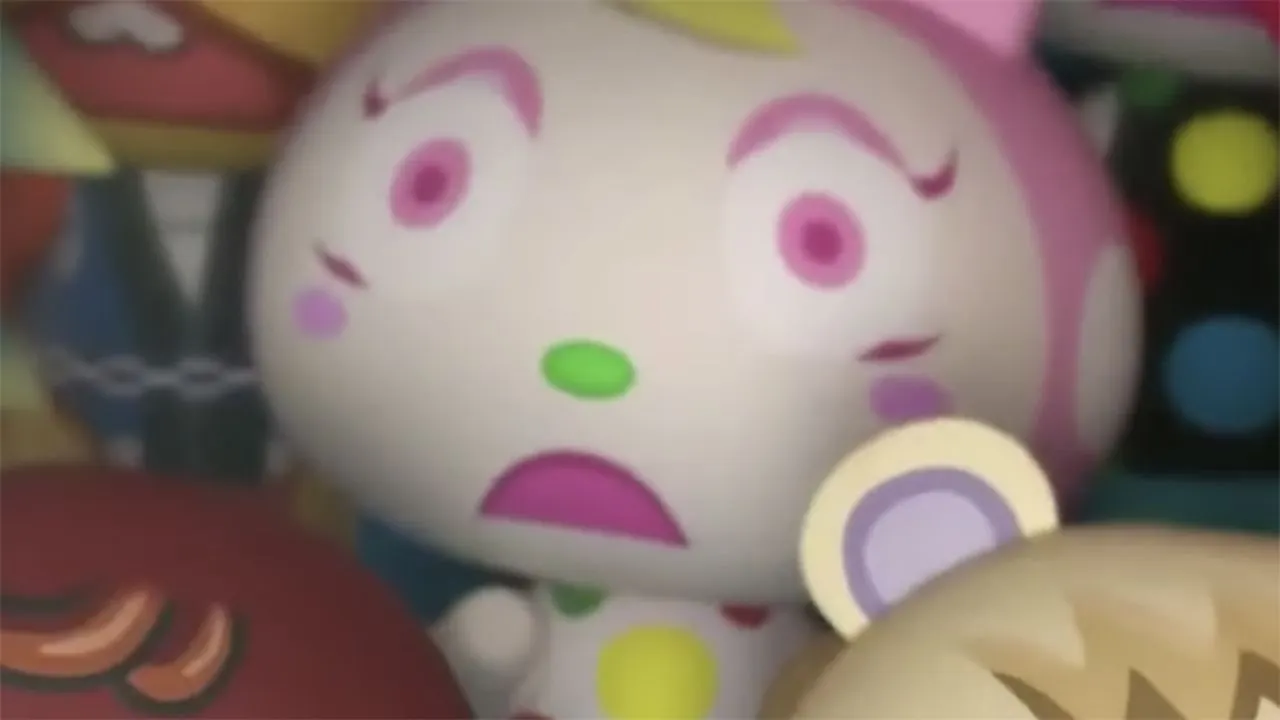
Nintendo received numerous complaints from concerned parents after an early Animal Crossing gyroid item was deemed to resemble a "wiggling penis" due to its skin-like colouring and shape. The anecdote, shared by a former Nintendo staffer, highlights the sometimes unpredictable nature of localisation and design decisions in family-friendly games, where innocuous in-game objects can be misread in unintended ways by real-world audiences.
Gyroids are collectible clay figurines found in the Animal Crossing series, and the specific model in question apparently had a flesh-toned finish and undulating form that led some parents to phone Nintendo directly to complain. The story, recounted years after the fact, offers a lighthearted look at the quality-control and customer-feedback challenges Nintendo faced with its beloved life-simulation franchise, though no changes or recalls beyond addressing the design were detailed.
In short
- Parents mistook an Animal Crossing gyroid for a phallic shape.
- Nintendo fielded numerous angry complaint calls over the item.
- Anecdote highlights quirky design mishaps in family game franchises.
Steelman: both sides, in good faith
The strongest fair case each way — we don't pick a winner.
The case for
Game developers bear responsibility for considering how designs might be perceived by younger audiences and parents who purchase family-friendly products. Parental vigilance serves an important quality-control function, and when concerned parents voice complaints directly, they signal genuine worries that development teams should take seriously during review processes. Proactive attention to potential misinterpretations is a reasonable part of creating content intended for children, where safeguarding appropriateness matters significantly.
The case against
Designers cannot reasonably anticipate every possible misinterpretation of innocuous objects, and excessive caution about parental concerns can unnecessarily constrain creative freedom. A ceramic figure with an organic, undulating form is not inherently inappropriate; such concerns may reflect oversensitivity rather than genuine harm. The primary responsibility lies with parents to supervise their children's media consumption, and such moments offer opportunities for dialogue rather than justification for design restrictions.
Explained simply
Animal Crossing is a series of life-simulation games from Nintendo, in which players build a home and spend time in a village with animal characters. Gyroids are small, clay-like figures that players can collect and display; they often move or make sounds.
Nintendo makes the games and handles feedback from players and their families. In a game aimed at a broad audience, the look and colour of an object can affect how people interpret it, making design and quality checks important.
Art Culture Entertainment Gaming