Nintendo has no obligation to pass tariff refunds onto customers, the company says, because Switch buyers received “what they bargained and paid for”
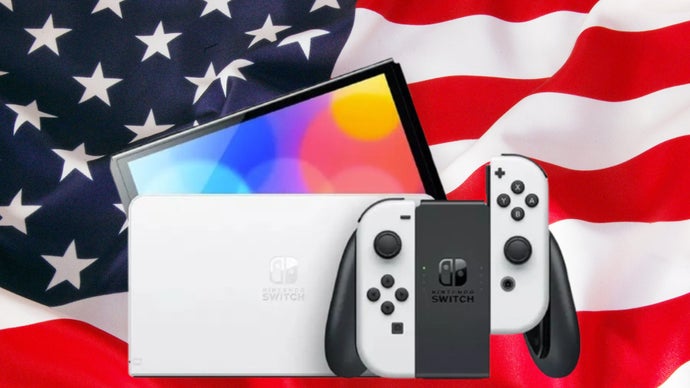
Nintendo is seeking dismissal of a US class-action lawsuit that argues customers should receive a share of any tariff refund the company obtains from the government. The company contends buyers who paid higher prices "received exactly what they bargained and paid for" and are not entitled to a rebate simply because of subsequent legal changes to tariff policy. The case matters because it tests whether manufacturers who raised prices due to tariffs, only for those tariffs to later be struck down as illegal, must pass any resulting refunds back to consumers.
Nintendo raised US prices last year on the original Switch, including its OLED and Lite models, plus other products such as Switch 2 Joy-Con controllers, though not the Switch 2 console itself. The price rises followed sweeping US tariffs that were later ruled illegal by the Supreme Court, prompting Nintendo to sue the government for a refund while facing this separate class-action suit filed in April. Nintendo argues it absorbed some tariff costs rather than passing them all on, that calculating an exact tariff-related refund per product is impossible, and it wants the dispute resolved through private arbitration; similar pressure has been placed on Sony, while firms like FedEx have said they will pass refunds to consumers.
In short
- Nintendo resists refunding customers despite tariffs being ruled illegal
- Company says buyers got what they paid for, no rebate owed
- Similar tariff-refund lawsuits are also targeting Sony over PlayStation prices
Steelman: both sides, in good faith
The strongest fair case each way — we don't pick a winner.
The case for
Consumers who purchased products at inflated prices because of tariffs that the Supreme Court subsequently ruled unlawful suffered direct financial harm from unconstitutional government action. Since the legal justification for the price increases has been invalidated, customers should benefit from any resulting refunds the company receives, particularly as they paid for costs that the court determined should never have been imposed. This represents a straightforward matter of fairness: consumers bore the burden of illegal tariffs and should not be left out of pocket when those tariffs are overturned.
The case against
Nintendo's position rests on the principle that sales transactions are complete contractual exchanges—customers paid the advertised price and received the goods they purchased, fulfilling the bargain struck at that moment. The company argues that subsequent changes to tariff law do not retroactively alter what customers received or what they were owed at the time of purchase; the tariffs were lawful when prices were set. Additionally, accurately apportioning any government refund across thousands of products and customers presents genuine administrative complexity, and Nintendo contends it absorbed some costs rather than passing them entirely to consumers, further complicating any calculation of customer compensation.
Explained simply
The US government imposed tariffs on imports from China last year, which increased the cost of goods like Nintendo's gaming consoles and controllers. Nintendo raised the prices of its Switch consoles and some accessories sold in the US to account for these added costs. However, the US Supreme Court later ruled that these tariffs were illegal, meaning the government had overstepped its authority in imposing them.
As a result, Nintendo is now suing the government to recover the costs it paid as a result of the illegal tariffs. Meanwhile, American customers have filed a separate lawsuit, arguing that if Nintendo obtains a refund from the government, the company should pass that money back to consumers who paid the higher prices. Nintendo disputes this, contending that customers received exactly what they paid for and are not entitled to a rebate simply because tariff policy has changed.
The dispute raises a broader question about consumer rights when prices rise due to temporary regulations that are later struck down as unlawful. Other companies, including gaming firm Sony, face similar pressure from consumers, though some firms like delivery company FedEx have already announced they will return tariff-related refunds to their customers. The outcome could influence how manufacturers handle similar situations in future.
Americas Asia Business Companies Entertainment Gaming