Nintendo Says Physical Games Still Account for 38.5% of Its Software Sales, Following Sony’s Decision to Kill PS5 Discs
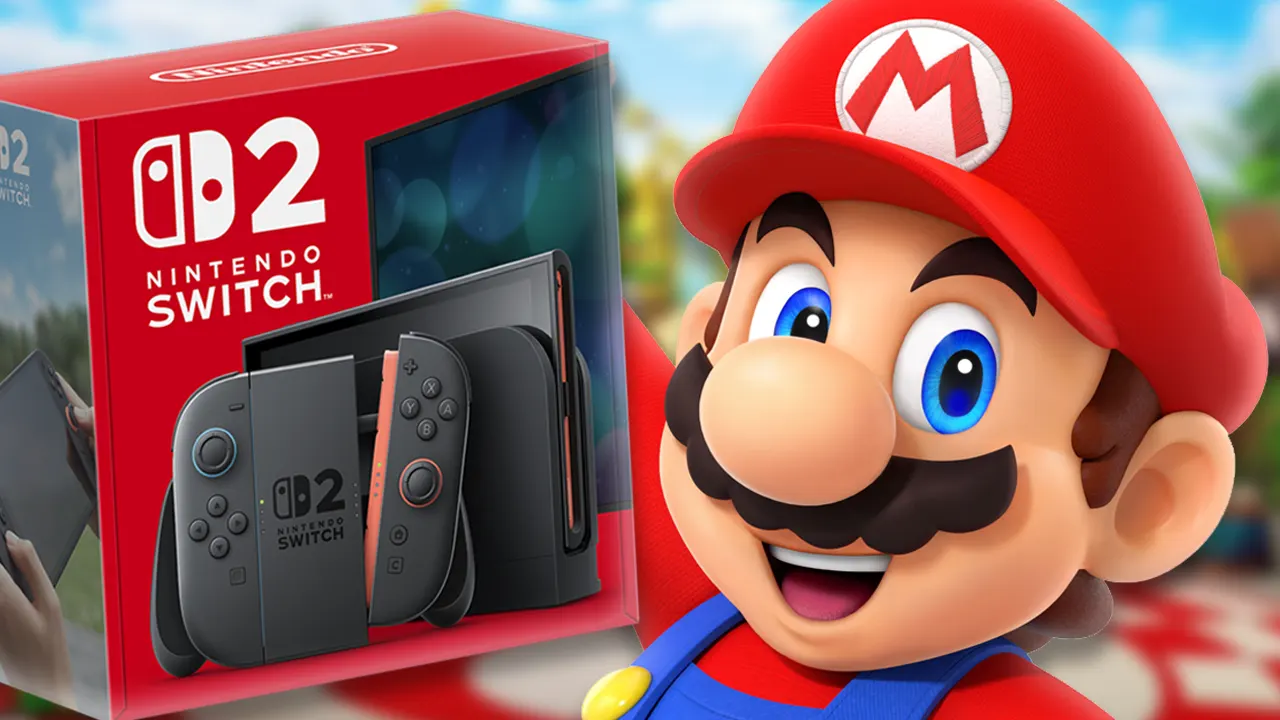
Nintendo says physical copies still made up 38.5% of its software sales in its latest financial results, indicating it is unlikely to abandon boxed games soon. This contrasts with Sony’s plan to stop releasing new PlayStation 5 games on disc from January 2028, and highlights Nintendo’s continued reliance on customers who value sharing, resale and collecting.
Digital downloads now account for 61.5% of Nintendo software sales, after physical sales fell by 2.2 percentage points. Nintendo uses a mixed approach for Switch 2 releases, including standard cartridges, Game-Key Cards and boxed download codes, while making digital editions roughly $10 cheaper than boxed versions; Capcom, by comparison, says about 90% of its sales are digital.
In short
- Physical games remain 38.5% of Nintendo software sales.
- Nintendo is unlikely to drop boxed games soon.
- Sony plans to end new PS5 disc releases in 2028.
Steelman: both sides, in good faith
The strongest fair case each way — we don't pick a winner.
The case for
Those advocating for retaining physical games emphasise fundamental consumer rights and autonomy—owning a physical copy permits sharing, trading and resale, freedoms that digital licensing explicitly denies consumers. They argue that physical media remains essential for those with unreliable or limited internet access, for collectors who value game preservation against the eventual delisting of digital stores, and for those who question whether the permanent energy consumption of global data centres is truly less environmentally damaging than the manufacturing and distribution costs of cartridges or discs.
The case against
Advocates for digital-only distribution argue that abandoning physical goods represents genuine progress in efficiency and sustainability. They point to market evidence—such as Capcom reporting 90% digital sales—showing that consumers have decidedly preferred instant downloads and automatic updates, whilst eliminating manufacturing and distribution costs allows companies to offer lower prices and better long-term developer sustainability. Furthermore, digital-only systems enable superior security measures, piracy prevention, and the financial viability of live-service gaming models that increasingly define modern software.
Explained simply
Nintendo makes video game consoles and games, including the Switch and its successor, the Switch 2. Players can buy games as downloads or on physical media, such as cartridges and discs; boxed copies can often be shared, collected or resold.
The balance between these formats varies across the industry. Some publishers, such as Capcom, sell most games digitally, while Nintendo offers both downloads and several kinds of boxed Switch 2 release, including cards that require an internet download to play.
The format matters to players and retailers because it affects how games are bought, stored and passed on. Sony’s planned move away from new PS5 disc releases from 2028 is part of a wider shift towards digital sales, while Nintendo’s sales mix shows that physical copies remain a substantial part of its business.
Entertainment Gaming Software Technology