Entertainment news and discussion on TalkFuse.
Nintendo says Switch fans got “exactly what they bargained and paid for” so they’re “not entitled to a rebate” over tariff-inflated console prices
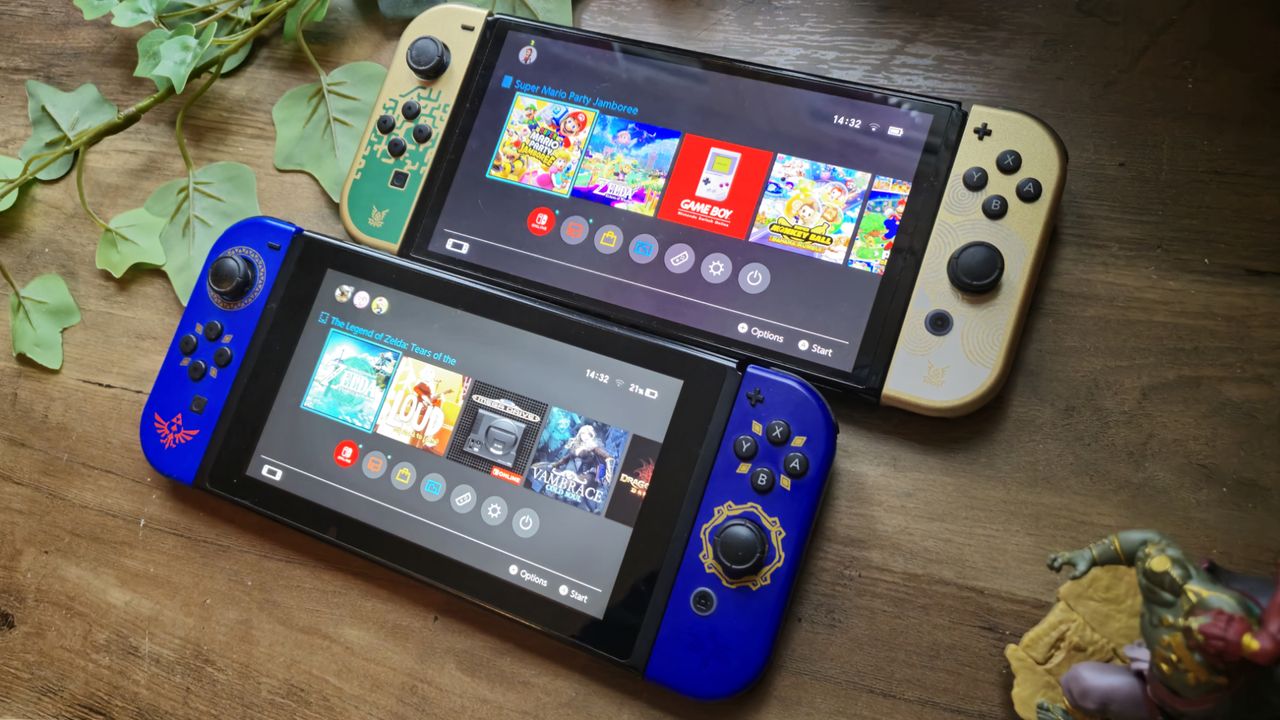
Nintendo has pushed back against a legal claim from Switch owners who argue they are owed compensation after tariff-related price rises affected the console. In court filings, the company argued that customers who bought their consoles received "exactly what they bargained and paid for," rejecting the idea that they are "not entitled to a rebate" simply because the price they paid was higher than it might have been without the tariffs.
The dispute centres on price increases linked to US import tariffs, which had already pushed up costs for Nintendo hardware and accessories during 2025. Nintendo's position is that customers knowingly agreed to the price at the point of purchase and received a fully functioning product in return, meaning no refund or partial rebate is warranted regardless of how tariffs may have influenced pricing decisions. The case reflects wider tension between tariff-driven cost increases across the games industry and consumer expectations about pricing fairness.
In short
- Nintendo rejects claims Switch buyers deserve rebates over tariff price rises
- Company says customers got exactly what they paid for
- Dispute ties into broader tariff-driven console pricing tensions
Steelman: both sides, in good faith
The strongest fair case each way — we don't pick a winner.
The case for
Consumer advocates argue that tariff-driven price increases represent a hidden cost imposed by government policy rather than reflecting the product's actual value, and that Nintendo—as a large multinational with significant pricing power—should bear some burden rather than passing all costs to consumers who had no role in trade decisions. They contend that corporate social responsibility demands companies share sacrifice during government-imposed cost shocks, particularly when their underlying profits remain robust.
The case against
Nintendo's position rests on established commercial principle: customers entered a voluntary transaction at a transparent price and received the promised functioning product. The company bears no liability for external economic conditions like tariffs, which reflect government policy beyond its control. Permitting retroactive rebates based on buyers' later regrets about market conditions would undermine contractual certainty and create perverse precedent allowing purchasers to demand adjustments whenever they subsequently decide they overpaid.
Explained simply
Nintendo Switch owners in the United States have filed a legal claim seeking compensation after import tariffs caused console prices to rise during 2025. Tariffs are taxes added to goods when they enter the country, and when the US government increased tariffs on imports from China, where Nintendo manufactures the Switch, the costs were passed on to consumers through higher prices.
Nintendo argues in court that customers received a fully working console and paid the price they agreed to at the point of purchase, so they have no right to compensation regardless of how tariffs influenced those prices. The company contends that purchasers knew what they were paying and got exactly what they bargained for when they completed their transaction.
The dispute highlights a broader tension across the games industry as tariffs have driven up hardware costs and raised questions about when price increases are fair or when companies should absorb the extra expense themselves. The outcome could shape how games makers, retailers and consumers handle tariff-driven price rises going forward.