No. 10 North fiasco: Prime Minister ‘struggling’ to find time to head back to his beloved Manchester
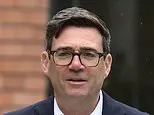
Andy Burnham's "No. 10 North" initiative, which sees the Prime Minister split his time between Downing Street and a Manchester base at GCHQ's Heron House, is reportedly descending into disarray. Government sources say Burnham underestimated the volume of work required in London and is now struggling to find time to make the trips north, undermining his flagship pledge to decentralise government away from Westminster.
Security officials have raised concerns that a shortage of fully vetted staff at the Manchester site means Burnham would have to be flown to London or Edinburgh if a national emergency arose while he was there, as the GCHQ building is not equipped as a full prime ministerial war room. Aides are also said to be frustrated by his tendency to over-run meetings, with one source likening it to the delays associated with Keir Starmer but "even worse", while his use of the Chequers country retreat has reportedly lapsed entirely. A No. 10 spokesman denied that meetings were running late or that there were any security issues with the Manchester operation.
In short
- Burnham's "No. 10 North" Manchester plan reportedly in disarray, sources claim
- Security concerns raised over evacuating PM from Manchester in an emergency
- No. 10 denies meetings are delayed or security is compromised
Steelman: both sides, in good faith
The strongest fair case each way — we don't pick a winner.
The case for
The Manchester base could bring government closer to people and institutions outside London, making decentralisation more than a slogan and helping regional concerns shape national decisions. Early scheduling and staffing problems may be practical difficulties that can be addressed as the operation develops, rather than evidence that the underlying idea has failed.
The case against
A prime minister’s time and readiness during a national emergency are consequential, so a second base is hard to justify if London commitments prevent regular use or the site lacks the staff and facilities needed for an emergency response. If the reported delays and lapses are accurate, they may suggest the initiative is consuming resources without delivering a reliable shift of government beyond Westminster; the spokesman disputes some of these accounts.
Explained simply
Andy Burnham, the Mayor of Greater Manchester, has for years pushed to shift power and resources away from London and towards England's regions. "No. 10 North" is his flagship idea for doing this at the very top of government: rather than everything being run from Downing Street, the Prime Minister would spend part of the week working from a base in Manchester, at a building called Heron House that belongs to the intelligence agency GCHQ.
The scheme was meant to be a symbolic and practical break from the tradition of governing entirely from Westminster and Whitehall in London, showing that decisions can be made closer to the rest of the country. It matters because it touches on a long-running debate about whether Britain is too centralised around London, and because any stumbles could be seen as reflecting on the wider push to "level up" or devolve power to the regions.
Running a government partly from outside London brings practical challenges, since Downing Street is set up with the security, staff and facilities needed to respond instantly to emergencies, and replicating that elsewhere is not straightforward. The Prime Minister also has a traditional country residence, Chequers, which is normally used for both work and rest away from London.
Art Business Culture Government Markets Politics World