No Jacksonville, no problem? Georgia, Florida fans wanted a home-and-home, but money wins in college football
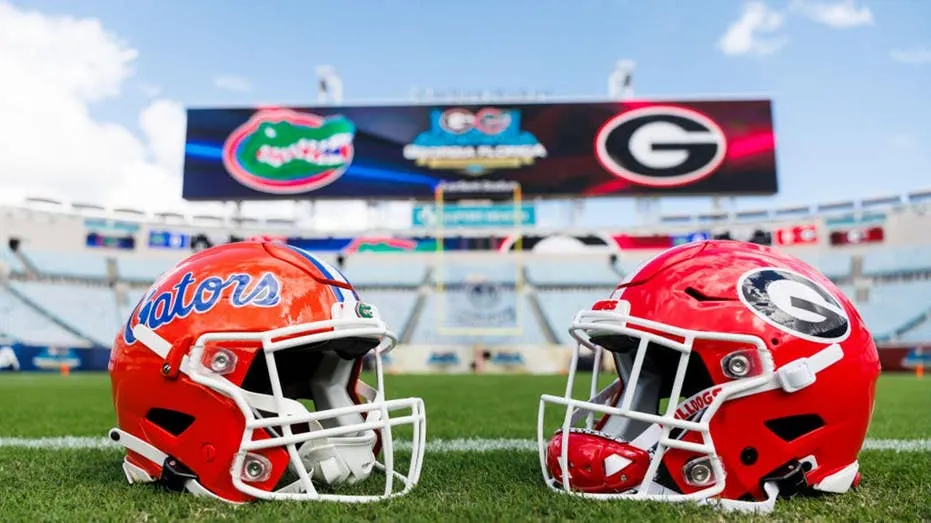
Florida and Georgia’s annual rivalry game has moved to Atlanta this year because Jacksonville’s EverBank Stadium is undergoing renovations, leaving some fans disappointed that the teams are not playing at each other’s home grounds. The temporary change highlights how financial incentives can outweigh calls to preserve the rivalry’s usual atmosphere or try a home-and-home format.
The game is due to be played in Atlanta and Tampa over the next two years, then return to Jacksonville. Atlanta’s event group is paying each university $7.5 million to host, while Jacksonville is paying each $1.5 million for the promised return. Each team also received 29,071 tickets, far more than the roughly 4,500 to 6,000 visiting fans typically allocated under SEC guidelines for a campus game.
In short
- Jacksonville renovations have moved the rivalry to Atlanta and Tampa for two years.
- Atlanta is paying each school $7.5 million to host.
- Fans miss the usual Jacksonville tailgating and wanted campus games.
Steelman: both sides, in good faith
The strongest fair case each way — we don't pick a winner.
The case for
The Atlanta and Tampa arrangement brings substantial revenue to both universities and gives far more supporters of each team a chance to attend than a typical campus allocation would allow. With Jacksonville’s stadium under renovation, a temporary move to major neutral venues can keep the rivalry accessible and help fund university priorities, while the planned return to Jacksonville preserves its traditional home.
The case against
The rivalry’s appeal rests partly on its distinctive Jacksonville setting and the shared atmosphere of a neutral-site game, which a rotating schedule of other venues may weaken. A home-and-home would let each team’s supporters experience the game on campus and reward local communities, and the large hosting payments risk making financial considerations seem more important than those traditions.
Explained simply
Florida and Georgia are two universities in the south-eastern United States whose American football teams have a long-running rivalry. For decades, they have usually met in Jacksonville, a neutral city between their campuses, where the game draws large crowds from both fan bases.
College teams often play at their own universities’ grounds, but major games can bring host cities and organisers revenue from visitors, tickets and local spending. The choice of venue can affect how many supporters attend and the atmosphere around the match, as well as how much money the universities receive.
A home-and-home arrangement would mean the teams taking turns to host the game at their own grounds. That could give each university’s supporters a home fixture, while a neutral venue can offer a larger shared event and financial payments to the schools.
Art Culture Football Sport World