Texas school police referred 47,000 children for prosecution since 2014
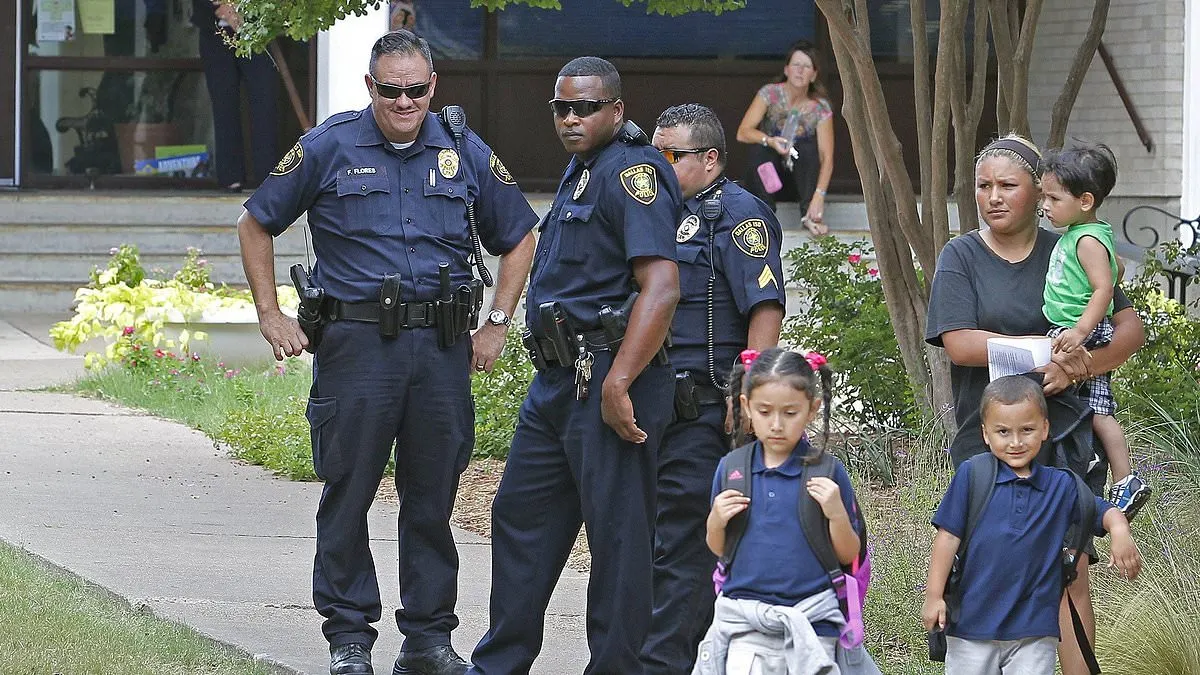
Texas school police have referred more than 47,000 children aged 10 to 13 for prosecution since 2014, for offences ranging from classroom disruption to threats, assaults and bringing weapons to school. Referrals rose after the 2022 Uvalde shooting, following a state law requiring an officer at every public school, renewing debate over whether police on campus improve safety or draw children into the justice system for behaviour schools could handle.
Referrals were around 3,500 a year from 2014 to 2017, climbed to just over 4,000 annually by 2019, then fell during pandemic school closures. They reached about 5,500 in the 2022–23 school year before settling at roughly 4,500 a year in 2023–25, around 22 per cent above a decade earlier. Supporters point to cases where officers found guns or disrupted plans for school shootings; critics warn that prosecuting young children for minor misbehaviour can be traumatic and harm their education.
- More than 47,000 Texas children aged 10 to 13 were referred for prosecution.
- Referrals rose after a law required officers at every public school.
- Debate continues over safety and the consequences of prosecuting children.
New here? Start with this
Texas public schools have police officers who are responsible for safety on campus and can refer pupils to the justice system. In Texas, children aged 10 and over can be prosecuted, and referrals cover conduct ranging from classroom disruption to serious threats or violence.
After the 2022 Uvalde school shooting, Texas passed a law requiring an officer at every public school. The policy has put a sharper focus on the role of police in schools and how officers respond to pupils’ behaviour.
Supporters say officers can find weapons and help prevent violence. Critics argue that prosecution can expose young children to lasting harm and affect their education, particularly when schools could deal with the behaviour themselves.
Both sides, in good faith
The strongest fair case each way — we don't pick a winner.
The case for
Having police on campus can help schools respond quickly to serious threats, find weapons and disrupt plans for violence, potentially protecting pupils and staff. Supporters argue that a visible, trained officer provides reassurance and that consistent safety coverage is especially important after attacks such as Uvalde.
The case against
Police referrals can bring children as young as 10 into the justice system for conduct that schools might otherwise address through discipline or support. Critics argue that prosecution for minor misbehaviour risks trauma and lasting harm to education, and that the rise in referrals warrants scrutiny of whether expanded campus policing improves safety enough to justify those costs.
Read the full article at the source →
Originally published by Daily Mail as “No-nonsense Texas has referred 47,000 cases of misbehaving schoolchildren for prosecution since 2014, including youngsters who attacked classmates and teachers”.