No one will dare say it out loud… but there’s only one bombshell way Harry and Meghan’s ‘half-in, half-out’ new life in Britain can work: ROBERT JOBSON
Developed over time first seen 2 months ago
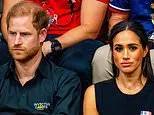
Royal commentator Robert Jobson argues that reports of press notices warning UK media not to photograph Prince Archie and Princess Lilibet's school are unnecessary, since British newspapers already comply with the Editors' Code on child privacy, as shown by the absence of any unauthorised images of Prince George, Princess Charlotte or Prince Louis since 2022. He contends the Sussexes have instead relied on selective briefings to friendly outlets rather than the transparent "royal rota" system used by the rest of the family, a pattern he says was exposed in 2021 when former aide Jason Knauf told the High Court the couple had discussed briefing the authors of "Finding Freedom" despite denying involvement.
Jobson cites Harry's costly defeat in his UK phone-hacking case against the Daily Mail's publisher and Meghan's 2022 comments to The Cut, in which she said she could never manage school pickups in Britain without a large press pack, as evidence the couple exaggerate media intrusion while seeking royal-style protection without royal-style openness. He frames this as a recurring cycle of sympathetic, anonymously sourced stories followed by denials, backlash and renewed claims of being hounded, arguing the same dynamic is now being applied to the couple's children.
- Opinion piece disputes need for warnings over photographing Harry and Meghan's children's school.
- Author says UK press already respects privacy rules, unlike Sussexes' selective media strategy.
- Cites 2021 court evidence and Harry's costly High Court defeat as examples of this pattern.
New here? Start with this
Britain's tabloid press has a formal Editors' Code protecting children of public figures from being photographed, and no unauthorised pictures of Prince George, Princess Charlotte or Prince Louis have appeared since at least 2022, suggesting the system already works. Prince Harry and Meghan Markle, the Duke and Duchess of Sussex, stepped back from royal duties in 2020 and now split their time between the UK and the US, a set-up sometimes described as "half-in, half-out". Their children, Archie and Lilibet, are said to be starting school in Britain, which has raised fresh questions about press access and privacy.
Unlike other senior royals, who engage with the media through an organised "royal rota" system giving accredited journalists standardised access, the Sussexes have been accused of instead giving selective, unofficial briefings to outlets they favour. This tension came under scrutiny in 2021, when a former aide told the High Court, during Meghan's privacy case over a letter to her father, that the couple had discussed engaging with the authors of a sympathetic biography despite public denials of involvement.
Harry has also fought and lost UK legal battles over alleged press intrusion, including a costly case against the publisher of the Daily Mail, while Meghan has spoken publicly about the difficulties of navigating public life in Britain because of media attention. This background of legal disputes, competing claims about media conduct, and differing approaches to press engagement forms the backdrop against which the couple's current arrangements, including matters involving their children, are being discussed.
Both sides, in good faith
The strongest fair case each way — we don't pick a winner.
The case for
Those sympathetic to Jobson's argument hold that Britain's press already operates under a strict Editors' Code on child privacy, evidenced by years without unauthorised photographs of the younger royal children, so additional formal notices are unnecessary and imply bad faith on the part of newspapers that have complied. They argue that if the Sussexes wish for the protections associated with royal status, they should also accept the openness and scrutiny that comes with it, rather than relying on selective, friendly briefings while publicly condemning the media as a whole. This view holds that consistency and transparency matter: a family that has chosen to step back from official duties cannot expect the same deference extended to working royals without reciprocal openness.
The case against
Those defending the Sussexes' approach argue that Harry and Meghan's concerns about press intrusion are rooted in painful, well-documented history, including Diana's death amid a press pursuit and substantiated cases of unlawful media conduct, such as Harry's successful claim against Mirror Group Newspapers. They contend that protecting young children from press attention is a legitimate parental priority regardless of how other family members choose to manage media relations, and that having left official royal duties, the couple are entitled to set their own terms for privacy rather than being bound by the rota system. On this view, scepticism about their motives should not override the basic principle that children who are not public figures deserve protection from press exposure.
Full account
Reports have suggested that the Duke and Duchess of Sussex may be considering spending more time in Britain, possibly in connection with their children’s education and their changing family priorities. The prospect has prompted renewed discussion of the arrangement the couple sought when they stopped working as senior royals in 2020: a life with greater independence while retaining some connection to the UK and the monarchy.
One report focuses on the practical issue of press attention around any British school attended by Prince Archie and Princess Lilibet. It argues that UK editors are already bound by industry rules on privacy and the treatment of children, including protections against unjustified intrusion at school. It points to the lack of unauthorised photographs of the Prince and Princess of Wales’s children at school as evidence that such boundaries are generally observed, while also criticising the Sussexes’ past approach to media relations and the use of selected briefings.
A separate report centres on comments by Omid Scobie, who says Harry and Meghan’s relationship with Britain may have changed after several years in California. He portrays them as older parents with independent professional lives, whose decisions about where to live could evolve as their children grow up. Scobie says he had heard in 2023 that California was not necessarily intended to be their sole long-term base, and describes any return as something planned gradually rather than a sudden reversal.
The reports do not establish that a full relocation has been decided, nor do they set out a settled model for the Sussexes’ future status in Britain. They nevertheless underline the continuing tension between the couple’s wish for privacy and independence, their residual ties to the country, and public interest in any renewed UK presence. Any arrangement involving regular time in Britain would also revive questions over security, media access and the extent to which they could operate separately from the formal royal household.
Where outlets differ
The first report is strongly critical and concentrates on press regulation, privacy for royal children and the Sussexes’ media strategy; the second is more sympathetic to the possibility that the couple’s circumstances and view of Britain have changed over time.
The first treats a possible return chiefly as a test of the couple’s relationship with the British media and royal institutions. The second presents it as a family and career decision, drawing heavily on Omid Scobie’s account of longer-term planning.
Neither supplied extract provides a confirmed timetable or definitive evidence of a permanent move.