Culture news and discussion on TalkFuse.
No surge in bookings but eclipse ‘boosts footfall’
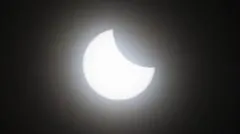
The partial eclipse on Wednesday evening is expected to draw large crowds across the South West and Channel Islands, although tourism leaders say it has not produced a noticeable rise in last-minute hotel bookings. The event matters for local businesses because it could increase visitor numbers, particularly where viewing opportunities coincide with other attractions such as Plymouth’s British Firework Championships.
In Devon and Cornwall, the eclipse is due to run from about 18:20 to 20:10 BST. Visit Devon said dedicated visitors may have booked well in advance, while businesses reported strong demand for safety glasses; in Looe, 80 pairs given to visitors were taken within 10 minutes. Free and ticketed viewing events are planned across the region, including at beaches, observatories and other high-ground locations.
In short
- Eclipse expected to boost crowds, not last-minute bookings
- Devon and Cornwall event lasts about 110 minutes
- Safety glasses are in high demand
Steelman: both sides, in good faith
The strongest fair case each way — we don't pick a winner.
The case for
Tourism and business advocates argue that the expected large crowds represent genuine economic opportunity. Whilst overnight bookings may not have spiked last-minute, the demand for safety glasses and planned viewing events demonstrate real visitor engagement. Day-trippers still spend money on food, shopping, and experiences, and the footfall boost—particularly timed with events like the British Fireworks Championships—creates meaningful activity that benefits local businesses.
The case against
Economic analysts concerned with substantive tourism impact note that the conspicuous absence of hotel booking surges is telling. Tourism leaders' own assessment suggests the anticipated influx has not translated into meaningful overnight stays, which are the true indicator of serious visitor spending. Day-trippers bring only marginal revenue compared to multi-day visitors, and safety glass sales represent a niche product. Without evidence of sustained spending or booking increases, describing the eclipse as an economic boost risks confusing temporary crowds with genuine economic benefit.
Explained simply
A partial solar eclipse happens when the Moon passes between the Earth and the Sun but does not cover it completely. People in different places see a different amount of the Sun obscured, depending on where they are and local weather conditions.
The South West of England and the Channel Islands have coastlines, hills and public attractions that can make them popular places to watch sky events. Viewing the Sun safely requires specially made eclipse glasses, as looking directly at it without suitable protection can damage eyesight.
Tourism organisations and local businesses often track hotel bookings as one sign of visitor demand, but visitors can also arrive for the day. Extra footfall means more people in an area, which can affect shops, cafés, transport and organised events.