NOAA ditches weather-predicting supercomputers for Google Cloud
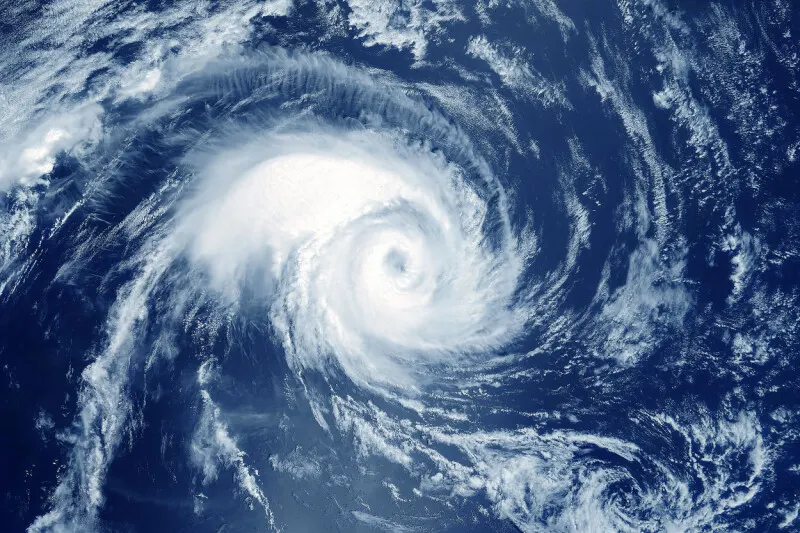
The US National Oceanic and Atmospheric Administration (NOAA) has selected Google Cloud to run the infrastructure behind its weather forecasting operations, moving away from government-owned supercomputers. NOAA says it will become the first national weather prediction centre to operate on a commercial cloud platform, a shift it hopes will remove the bottlenecks of on-premise systems and allow computing capacity to scale up during events such as tropical storm season. The move follows a broader trend of national weather agencies exploring cloud infrastructure, with the UK's Met Office also transitioning to a hybrid setup on Microsoft Azure.
The contract replaces General Dynamics' management of NOAA's HPE Cray supercomputers, known as Dogwood and Cactus, which delivered nearly 14 petaflops of processing power from data centres in Virginia and Arizona. NOAA plans to complete the migration of its Weather and Climate Operational Supercomputing System, run by the National Weather Service, by December 2027, using Google Cloud H4D virtual machines built on AMD Epyc processors. The deal also gives NOAA access to Google DeepMind's AI tools to develop an AI-driven forecasting system claimed to use 99.7% fewer computing cycles, while separate contracts with Accenture and Booz Allen Hamilton are already updating downstream field-office software for the cloud.
In short
- NOAA is moving its weather forecasting computing from supercomputers to Google Cloud.
- Migration of the National Weather Service's systems is due by December 2027.
- Deal includes Google DeepMind AI tools for a new AI forecasting system.
Steelman: both sides, in good faith
The strongest fair case each way — we don't pick a winner.
The case for
Moving forecasting to Google Cloud could ease the limits of fixed, ageing supercomputers and let NOAA scale computing capacity when severe weather creates peak demand. Commercial infrastructure and access to AI tools may also speed up forecasting improvements while reducing the computing resources needed, potentially helping NOAA deliver timely warnings more efficiently.
The case against
Weather forecasting is critical public infrastructure, so relying on a commercial provider could raise concerns about resilience, service continuity, data control and dependence on a single supplier. A migration of this scale also carries transition risks: if systems or cloud capacity fail during a major weather event, forecasting could be disrupted, while the claimed efficiency gains from AI will need to hold up in operational use.
Explained simply
NOAA, the US agency that provides weather forecasts to the public, is moving its prediction systems away from government-owned supercomputers and onto Google Cloud, a computing service run by Google. The shift is intended to make weather forecasting faster and more flexible by letting the system use extra computing power during periods of high demand, such as hurricane season.
Until now, NOAA has relied on specially built supercomputers managed by another company, General Dynamics. The switch to Google Cloud will make NOAA the first national weather service in the world to run entirely on a commercial computing platform, with the transition expected to be complete by the end of 2027.
Other countries are pursuing similar changes: the UK's Met Office is also moving to cloud computing through Microsoft. The move to Google Cloud also brings access to artificial intelligence tools that could make weather forecasts much faster to produce whilst using far less computing power.