Science news and discussion on TalkFuse.
NOAA plans to ease marine protections for commercial fishing
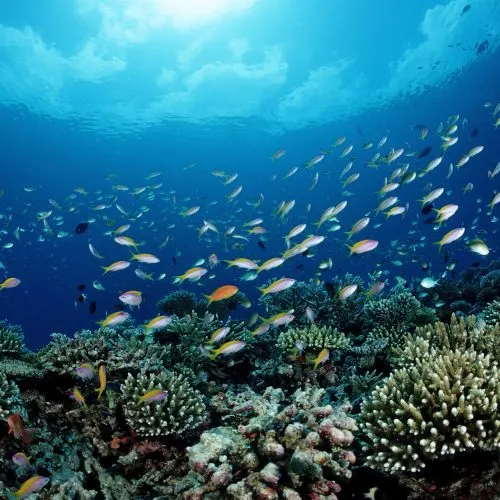
The US National Oceanic and Atmospheric Administration (NOAA) has unveiled new agency priorities that critics say will roll back science-based fisheries management in favour of the commercial fishing industry. The changes, framed by NOAA as cutting bureaucracy and modernising regulation, form part of the Trump administration's "Restoring American Seafood Competitiveness" executive order signed in April 2025, and follow earlier moves this year to ease protections for endangered turtles, sea lions and whales.
The plan proposes opening marine national monuments to commercial fishing, scaling back critical habitat protections in favour of economic considerations, and reassessing four of the ten "National Standards" set out in the 1976 Magnuson-Stevens Act, covering overfishing prevention, best available science, community impact and bycatch reduction. It also shelves planned ropeless fishing gear intended to protect the roughly 350 remaining North Atlantic right whales from entanglement. Conservation groups, including Earthjustice and The Ocean Conservancy, warn the reforms could undermine peer-reviewed science and long-term fish stocks, while the National Fisheries Institute, representing the commercial seafood industry, has welcomed the move as reducing regulatory burden.
In short
- NOAA prioritises commercial fishing interests over conservation in new agency roadmap
- Plan reassesses key sustainability standards and eases habitat protections
- Environmental groups warn of harm; fishing industry welcomes the changes
Steelman: both sides, in good faith
The strongest fair case each way — we don't pick a winner.
The case for
Supporters can argue that fishing rules should protect marine life while allowing viable commercial fisheries to sustain jobs, coastal communities and an affordable domestic seafood supply. Reassessing standards and habitat rules could remove costly or outdated requirements, give greater weight to local economic effects and help US businesses compete, provided decisions still account for the health of fish stocks.
The case against
Opponents can argue that strong, science-led safeguards are essential to prevent overfishing, reduce harmful bycatch and preserve habitats on which fisheries and coastal livelihoods depend. Weakening those protections or shelving gear designed to reduce whale entanglements could impose lasting ecological and economic costs, while giving short-term industry pressures greater influence over decisions meant to serve the public over time.
Explained simply
NOAA is the US agency that manages fisheries and marine resources. Its rules operate alongside the Magnuson-Stevens Act, a 1976 law that sets standards for preventing overfishing, using scientific evidence and considering fishing communities and accidental catches of other wildlife.
Marine national monuments are protected areas at sea, while critical habitat protections are intended to help threatened or endangered species survive. Commercial fishing can bring income and jobs, but fishing gear can also catch other animals, and heavy fishing can reduce fish populations over time.
The debate involves fishing businesses and their trade group, the National Fisheries Institute, as well as conservation organisations such as Earthjustice and The Ocean Conservancy. It matters because decisions about access, catch limits and habitat can affect seafood supplies, coastal livelihoods and marine wildlife.
Read the full article at the source →
Originally published by Ars Technica as “NOAA is putting commercial fishing ahead of conservation”.