White House used Noah Kahan’s song without consent, singer says
Developed over time first seen 3 months ago
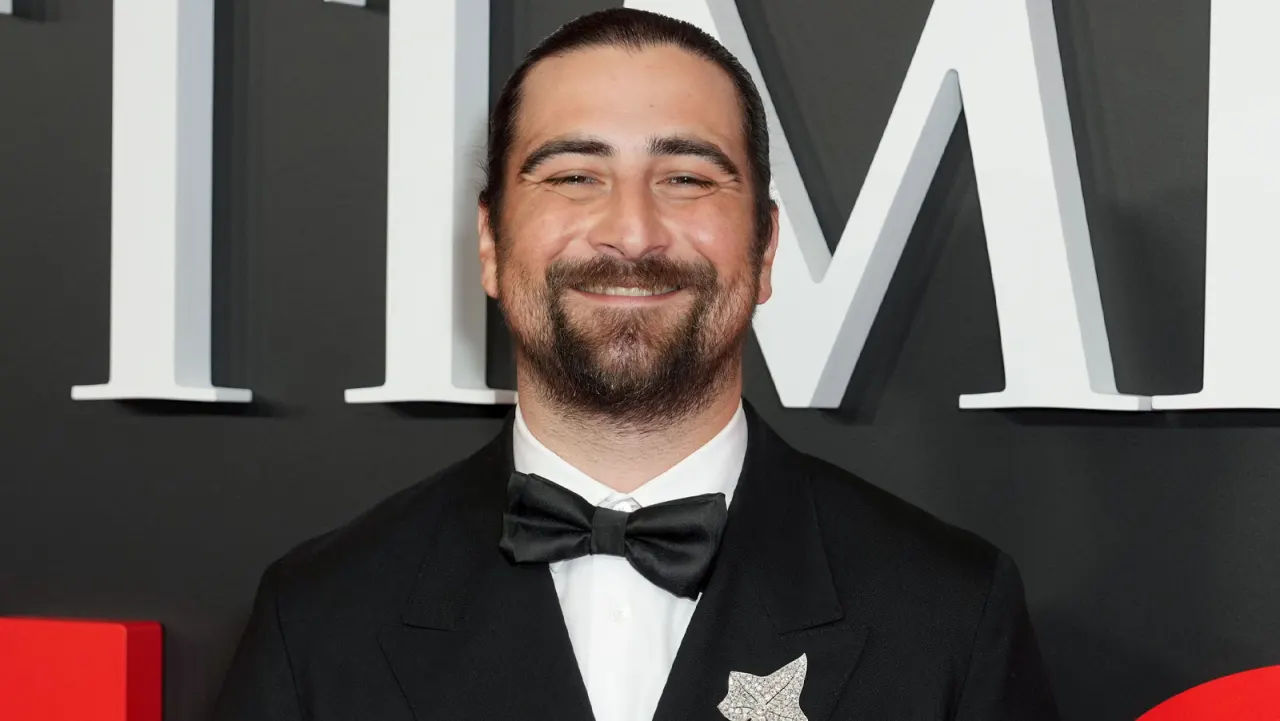
Singer-songwriter Noah Kahan publicly criticised the White House after it used his song "American Cars" without his permission in social media content promoting a presidential visit to a General Motors facility in Michigan. The 29-year-old objected to his music being associated with Donald Trump's administration, and his comments prompted a significant public reaction online, adding to a wider pattern of musicians pushing back against the unauthorised political use of their work.
Kahan made clear on social media that he would never have consented to his song being linked to Trump or the White House. Following the wave of online criticism, the White House removed the post containing the track, bringing the episode to a close with no further developments reported since.
- Sources
- 3
- Outlets
- 3
- Left · Centre · Right
- 0 · 0 · 0
In short
- Noah Kahan objected to unauthorised White House use of his song
- Track featured in posts about a Trump visit to a GM plant
- White House deleted the post after public backlash
How this story developed
- 3 months ago With the offending post now removed, attention has turned to what happens next, though as yet neither Kahan nor the White House has confirmed any further response or action beyond that takedown.
- 3 months ago The backlash to Kahan's comments intensified online, being framed as part of a broader trend of artists rejecting unauthorised political use of their music, and the White House responded by pulling the post featuring the track.
- 3 months ago Noah Kahan publicly objected after the White House used his song "American Cars" without permission in social media content promoting a presidential visit to a General Motors plant in Michigan, saying he would never have endorsed the association with Trump.
- The Hollywood Reporter Noah Kahan Slams Trump’s Use of His Song and Vows He’d “Never Approve”
- Deadline Noah Kahan Calls Out Donald Trump’s Administration For Using “American Cars” Song In White House Social Media Post
- NME Noah Kahan slams Trump administration for using ‘American Cars’: “Would never approve of my music being used”
Steelman: both sides, in good faith
The strongest fair case each way — we don't pick a winner.
The case for
Those sympathetic to the White House's position might argue that government communications routinely draw on popular music under standard licensing arrangements, and that a song called "American Cars" is a natural, non-partisan fit for a visit celebrating domestic manufacturing and jobs. They would note that using a track to accompany footage of a factory visit is not inherently an endorsement claim, and that public institutions have long set clips to popular music without seeking each artist's personal blessing, provided the underlying usage rights are in order. On this view, the swift removal of the post, once objections were raised, shows a reasonable responsiveness rather than any deliberate wrongdoing.
The case against
Musicians and their advocates would counter that artists have a legitimate and long-recognised interest in controlling how their work is associated with political figures and messaging, since audiences often read such pairings as implicit endorsement regardless of licensing technicalities. Kahan, they would argue, is entitled to object when his art is used in a way that misrepresents his own political views or lends unearned cultural credibility to an administration he does not support. From this perspective, licensing law is a separate question from basic respect for an artist's wishes, and the backlash reflects a broader, well-established principle that creative work should not be co-opted for political purposes without the creator's consent.
Explained simply
Noah Kahan is an American singer-songwriter known for folk-pop hits and a strong following, particularly among younger listeners. His song "American Cars" was used in a social media post from the White House promoting a presidential visit to a General Motors plant in Michigan. Kahan says he was not asked for permission and did not want his music linked to Donald Trump or his administration.
The dispute touches on a recurring issue for politicians and public bodies: using popular music in official messaging without the artist's consent, which can create the impression of an endorsement the artist never gave. Musicians across the political spectrum have objected to this in the past, arguing it misrepresents their views to a wide audience. Copyright and licensing rules for how music can be used in this kind of promotional content are often disputed in these situations.
The row matters because it touches on questions of artistic control, consent and the use of cultural figures in political communication, as well as how quickly such disputes can escalate once they attract attention on social media.
Coverage · 3 sources
- The Hollywood ReporterNoah Kahan Slams Trump’s Use of His Song and Vows He’d “Never Approve”
- DeadlineNoah Kahan Calls Out Donald Trump’s Administration For Using “American Cars” Song In White House Social Media Post
- NMENoah Kahan slams Trump administration for using ‘American Cars’: “Would never approve of my music being used”
Entertainment Government Music Politics