Noah’s Ark researchers ‘inching towards’ confirmation after drilling challenges natural-rock theory
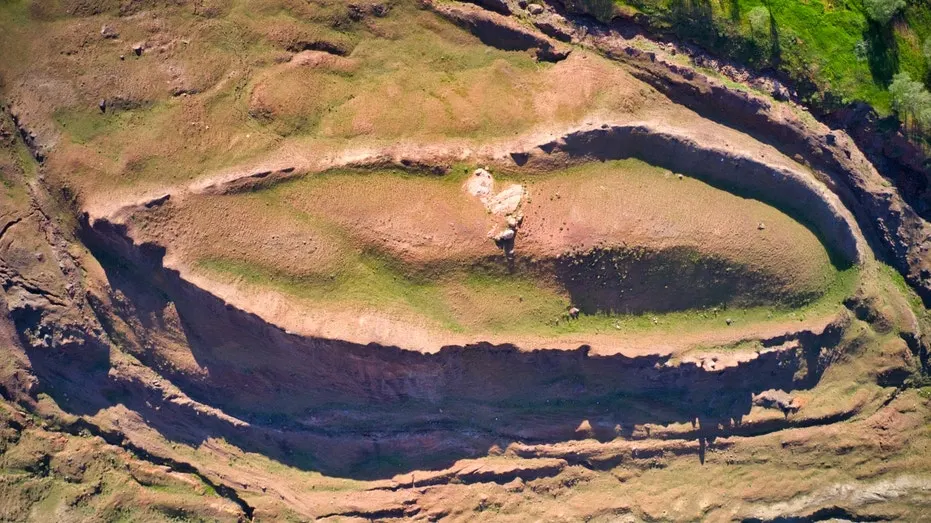
Researchers investigating the Durupınar formation in eastern Turkey say drilling and soil sampling have strengthened their case that it could contain evidence linked to Noah’s Ark. The claim remains unconfirmed, and planned soil analysis is intended to assess whether the evidence indicates human activity or decayed wood.
The formation is about 538 feet long and lies near Mount Ararat; it was discovered in 1959 and is widely considered by critics to be natural rock. The team says core drilling at more than 12 locations found no bedrock, while a 2024 survey reported three times more organic matter inside the formation than outside it. Researchers plan further analysis with universities this winter.
- Researchers say drilling found no bedrock at over 12 locations.
- Soil tests are planned to look for organic evidence.
- The formation’s link to Noah’s Ark remains unconfirmed.
New here? Start with this
The Durupınar formation is a boat-shaped feature in eastern Turkey, near Mount Ararat. It was discovered in 1959 and is about 538 feet long; many geologists consider it a natural rock formation.
Noah’s Ark is the vessel described in the Bible and the Quran as carrying Noah, his family and animals through a great flood. The site has drawn interest from people looking for physical evidence connected to that account, but no such evidence has been confirmed.
Researchers studying the formation say their drilling and soil surveys have found features they want to investigate further. The question matters because analysis may help distinguish signs of human activity or decayed wood from natural processes.
Both sides, in good faith
The strongest fair case each way — we don't pick a winner.
The case for
Supporters argue that the reported drilling and soil results justify further investigation: finding no bedrock in cores from multiple locations and elevated organic matter could be consistent with buried, decayed wood or other human activity. Given the formation’s shape and location near Mount Ararat, they say careful analysis with university partners could test a historically significant possibility that has not yet been ruled out.
The case against
Sceptics argue that these findings do not establish an archaeological structure: an absence of bedrock in sampled cores and higher organic matter can have natural explanations, and neither result identifies wood or human construction. Since the formation is widely regarded as natural rock and the planned analyses are still pending, they say the Ark interpretation remains speculative until evidence directly demonstrates human activity.