Demis Hassabis now expects artificial general intelligence within three years
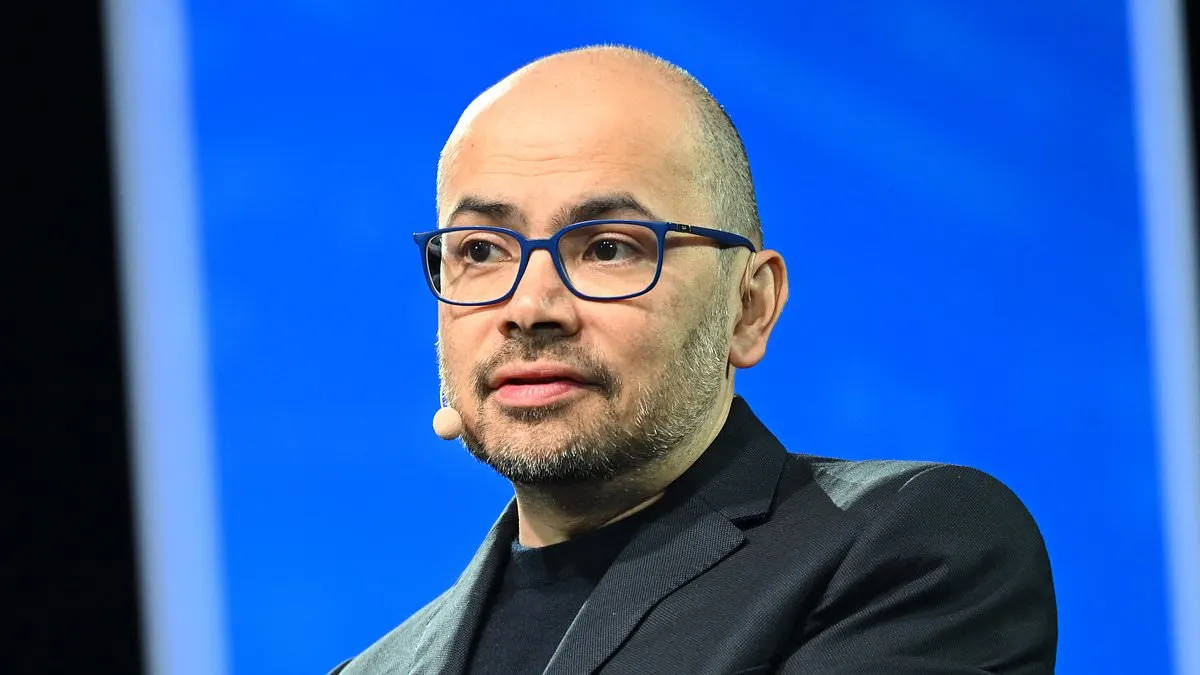
Demis Hassabis, head of Google DeepMind, now expects artificial general intelligence (AGI) to arrive within two to three years, sooner than he had previously predicted. AGI refers to AI that can match or exceed human cognitive ability across a wide range of tasks, so his revised estimate adds urgency to debates about the technology’s development and oversight.
Earlier this year, Hassabis put the timeline at three to five years, while in 2025 he said it might not become part of everyday life until 2035. He says AI could help transform drug discovery and address diseases such as cancer, though he described that work as difficult. The article also cites a poll in which 52 per cent of Americans said AI was bad for society, and notes calls for slower development and stronger monitoring.
In short
- Hassabis estimates AGI could arrive within two to three years.
- That is sooner than his previous three-to-five-year forecast.
- He sees potential in AI-assisted drug discovery and disease research.
Steelman: both sides, in good faith
The strongest fair case each way — we don't pick a winner.
The case for
If AGI is only a few years away, preparing now could help society capture its benefits while managing risks before they become harder to control. Faster progress may accelerate drug discovery and other useful applications, while careful monitoring and oversight can guide development responsibly.
The case against
AGI timelines are uncertain, and a prominent leader’s revised forecast is not proof that it will arrive on schedule; rushing policy or development in response could misdirect resources or entrench rules before the technology is understood. Given public concern and the potential scale of the risks, a slower pace with stronger monitoring may give researchers and society more time to assess safety and agree on safeguards.
AI Art Celebrity Culture Entertainment Technology World
Read the full article at the source →
Originally published by Daily Mail as “Nobel Prize-winning chief scientist at Google issues chilling new forecast for when AI will be smarter than humans in every area”.