Nobody understands gambling, especially in video games
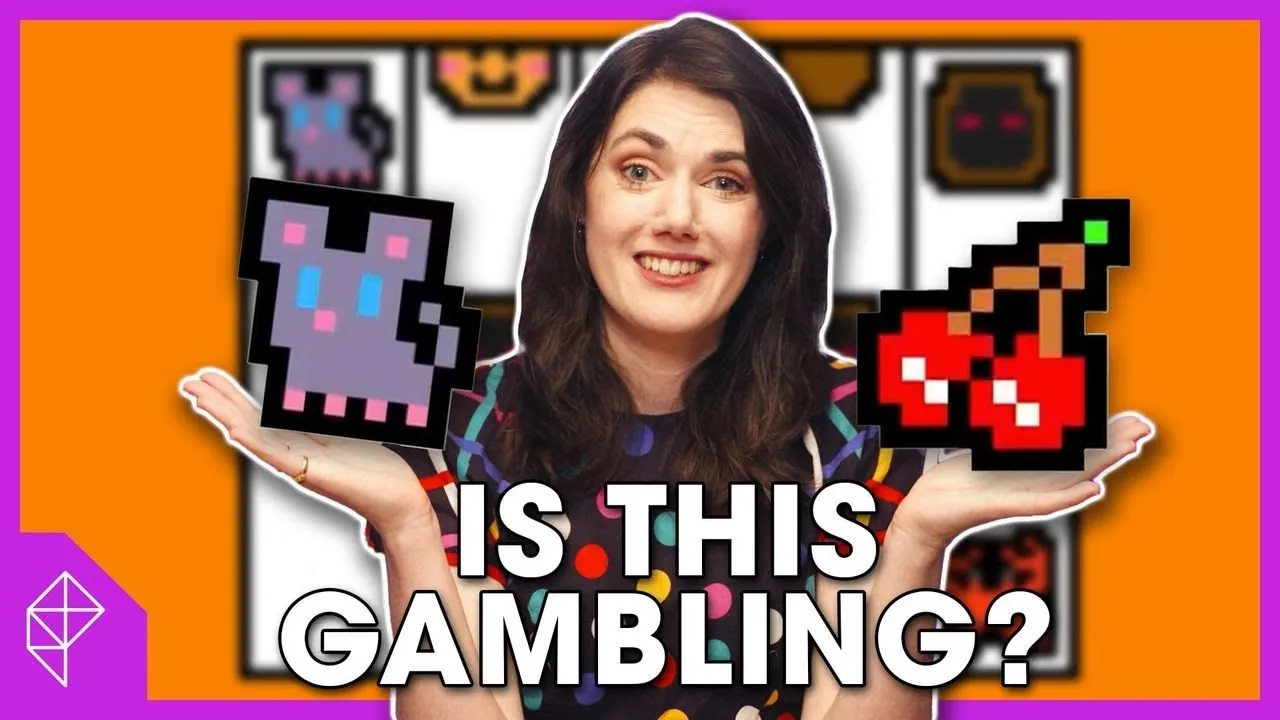
A Polygon video essay examines the confused and inconsistent way gambling-like content in video games is regulated and understood. It highlights how strategic deck-building games such as "Luck Be a Landlord" and "Balatro" have received high age ratings from app stores and ratings boards purely because they borrow visual motifs from gambling, such as slot machines and poker hands, despite containing no real-money mechanics.
By contrast, loot boxes and gacha games, which do involve genuine spending and exploitative reward mechanics, often pass through the same ratings systems with little scrutiny. Both featured games are one-off purchases with no microtransactions, underscoring the disconnect between how ratings bodies flag surface-level gambling imagery versus how they treat actual monetised gambling-adjacent systems.
- Balatro and Luck Be a Landlord got high ratings for gambling visuals only
- Loot boxes and gacha, with real exploitative mechanics, face less scrutiny
- Piece questions how "gambling" is defined and regulated in games today
New here? Start with this
Gambling-like features appear in many video games, from card and slot-machine imagery to paid systems that offer random rewards. These can look similar on screen but work differently: some games use the imagery only as part of play, while others let players spend money for a chance at in-game items.
App stores and age-rating boards assess games to help guide players and families, but their approaches to gambling-related content vary. Their decisions can affect who can access a game and how its contents are understood.
The distinction matters because visual references to gambling do not necessarily involve spending, while paid random rewards can raise questions about cost and chance. Comparing how these features are treated has prompted debate about what ratings systems should focus on.
Both sides, in good faith
The strongest fair case each way — we don't pick a winner.
The case for
Gambling aesthetics in games normalise gambling to young players, and the visual and mechanical similarity to slot machines and poker is deliberately chosen because it creates the same reward-seeking excitement as actual gambling. Even without monetary stakes, these mechanics can condition problematic reward-seeking behaviour and prime young people for future gambling. Conservative regulation of gambling aesthetics protects children from normalisation of gambling culture.
The case against
Regulatory focus should target actual mechanisms of harm—financial loss and exploitative psychology—rather than visual similarity. Games like Luck Be a Landlord cause no financial or psychological exploitation, whereas loot boxes with real-money systems pose genuine risks. Regulating based on aesthetics rather than actual mechanics diverts regulatory effort from genuine harms and unnecessarily restricts creative game design when evidence of harm from appearance alone remains weak.