“Nobody was more surprised than I was when we started doing it, and today it’s my main activity”: Perfect but unplanned timing sent the Alan Parsons Project touring galaxies far, far away with I Robot
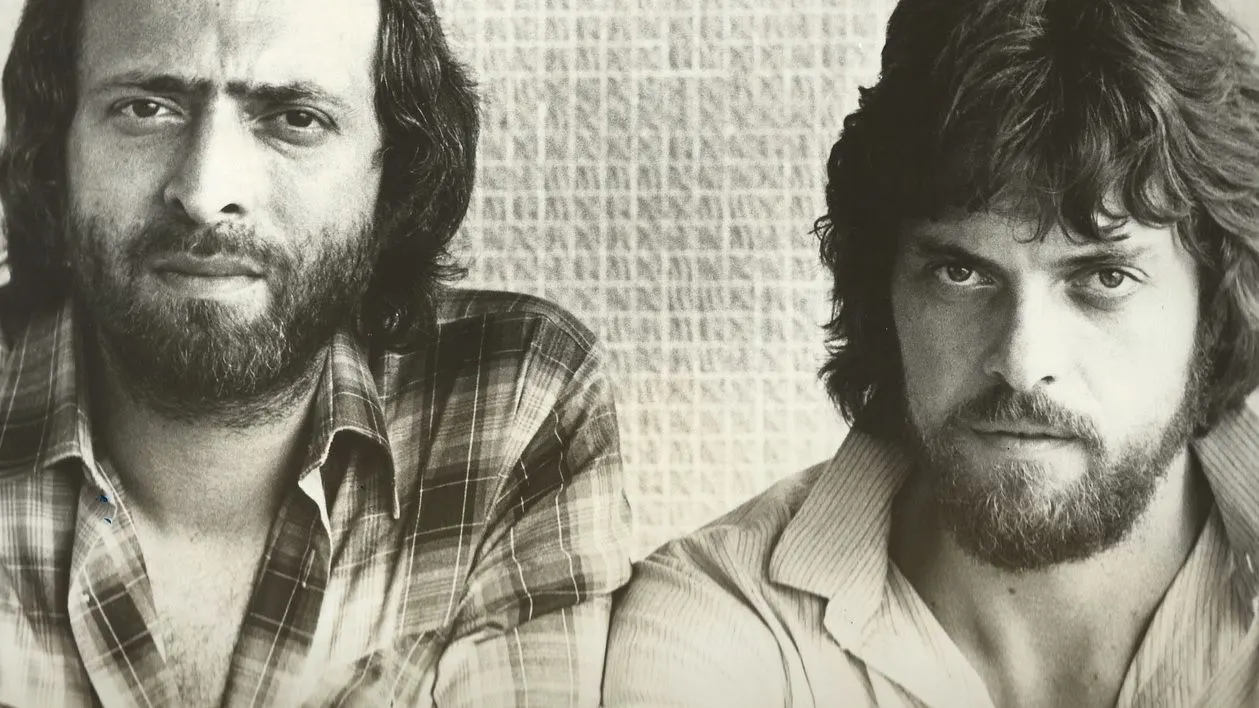
Alan Parsons has recounted how "I Robot", the second album by The Alan Parsons Project, arrived in 1977 just as science fiction surged in popularity thanks to Star Wars, an unplanned coincidence that helped shape the band's career trajectory. Speaking to Prog in 2013, the renowned engineer and producer explained how the album, inspired loosely by Isaac Asimov's writings, followed on from the group's Edgar Allan Poe-themed debut and further established him as a creative force beyond his celebrated studio work with the likes of Pink Floyd and The Beatles.
Parsons, who engineered Pink Floyd's "The Dark Side Of The Moon" and worked on The Beatles' "Abbey Road" at Abbey Road Studios, formed the Project with songwriter Eric Woolfson after their 1976 debut, "Tales Of Mystery And Imagination", impressed Arista Records boss Clive Davis enough to secure a deal. Parsons said Woolfson, rather than himself, drove the Asimov concept, and that the pair deliberately diverged from Asimov's philosophy on man-machine relationships while still benefiting from the writer's established name recognition. He also described his role as primarily technical at the time, though he shared songwriting credit with Woolfson given how much the studio production shaped the finished compositions.
- "I Robot" (1977) benefited from timing alongside the Star Wars sci-fi boom.
- Alan Parsons said Eric Woolfson, not him, pushed the Asimov concept.
- Parsons loosely adapted Asimov's ideas, diverging from his original philosophy.