Entertainment news and discussion on TalkFuse.
“Non-commercial”: How Bob Dylan’s favourite Bob Dylan album barely sold 1,000,000 copies
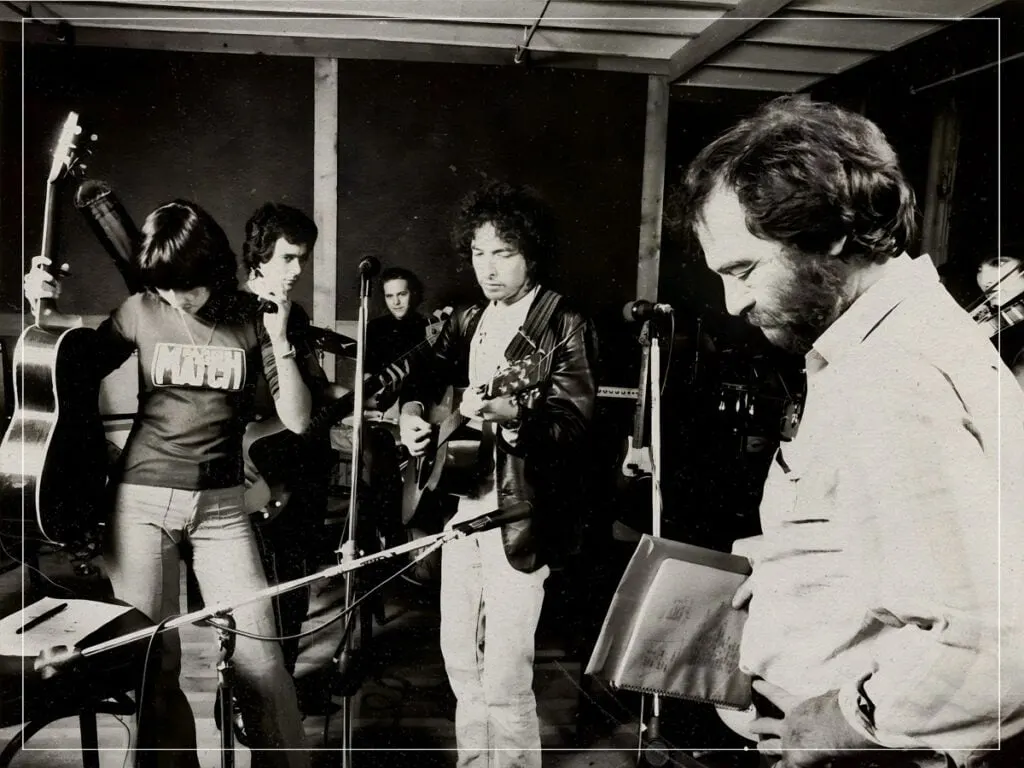
Bob Dylan has consistently maintained that "Shot of Love" (1981), his album from his born-again Christian period, is his personal favourite recording, calling it "the most explosive album I've ever done." Despite this steadfast praise over decades—reiterating his preference in interviews in 1983 and 1985—the album sold barely one million copies and remains widely dismissed by both critics and fans, who largely rejected its overt religious themes.
Dylan attributed the album's poor reception to both critical prejudice and cultural timing. His career had been defined by staying ahead of popular sentiment, but with "Shot of Love," he found himself out-of-step with his generation's move away from religious themes. Critics focused exclusively on the religious content rather than allowing listeners to form their own opinions, whilst the commercial and critical climate of the early 1980s rejected the album's spiritual focus, suggesting that timing—which had always worked in Dylan's favour—ultimately worked against him on this project.
In short
- Dylan's favourite album sold only one million copies and was widely panned
- Religious themes alienated audiences and critics in the early 1980s
- Dylan remained steadfast in defending the album over several decades
Steelman: both sides, in good faith
The strongest fair case each way — we don't pick a winner.
The case for
Dylan's consistent and decades-long defence of "Shot of Love" suggests genuine artistic conviction; artists typically possess superior understanding of their own work's intentions and execution. The album's poor reception likely reflects cultural bias against religious content rather than musical assessment, with critics allowing ideology to overshadow fair evaluation. Even one million sales constitutes a respectable audience, and the timing—working against Dylan for once—likely obscured what may be a substantive artistic achievement misunderstood by an era's secular drift.
The case against
The simultaneous rejection of the album by both commercial audiences and professional critics across multiple decades suggests genuine artistic shortcomings rather than bias or bad timing. Artists frequently misassess their own work, particularly in defending commercially unsuccessful projects; external critical consensus is ordinarily more reliable than an artist's self-evaluation. The religious content's commercial alienation likely represented legitimate listener feedback rather than unfair prejudice, and comprehensive failure across all metrics points to substantive musical weaknesses rather than mere circumstance or critical ideology.
Explained simply
Bob Dylan is an American singer-songwriter whose songs helped shape popular music from the 1960s onwards. In the late 1970s and early 1980s, he became a born-again Christian, and that change influenced several records, including Shot of Love, released in 1981.
The album sits within a long career in which Dylan has often changed musical style and subject matter. Its religious songs arrived when many listeners and critics were less receptive to overtly Christian themes, making the record a point of debate about how faith and popular music meet.
Dylan’s own view of the album has differed from its modest commercial success and mixed reception. That gap helps explain why Shot of Love remains notable: it shows how an artist’s personal attachment to a work can diverge from how audiences and critics respond.
Entertainment Music Offbeat Weird & Viral