German case links Nord Stream blasts to Ukrainian-led team
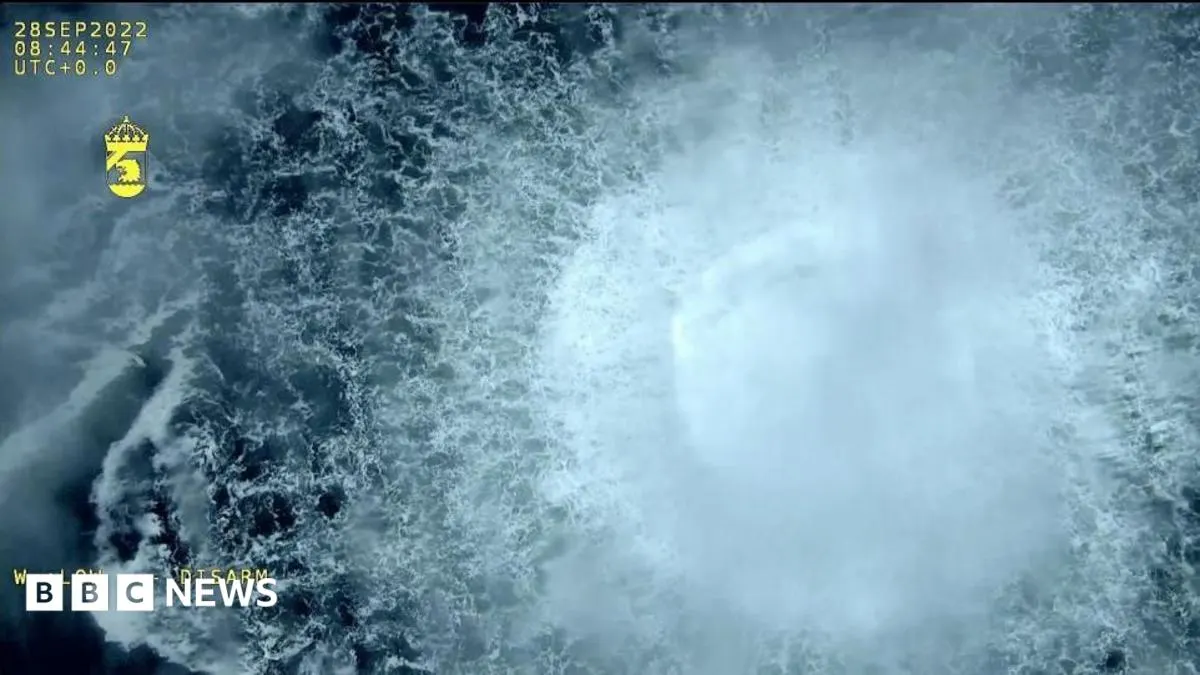
German investigators say they traced the 2022 Nord Stream pipeline explosions to a Ukrainian-led team, culminating in the arrest of a former Ukrainian special forces soldier in Italy. Serhii K, identified during extradition proceedings as Serhii Kuznetsov, is due to stand trial in Hamburg, charged with causing an explosion and a war crime; he and Ukraine deny involvement. The case matters because the blasts damaged key gas infrastructure and the prosecution alleges the operation was carried out on behalf of Ukrainian state agencies.
Prosecutors allege that four timed devices, each weighing up to 27kg, were planted about 80 metres underwater by a crew using a rented yacht, the Andromeda. Investigators say DNA evidence on the boat helped build their case, after early speculation focused on Russia. Germany identified Serhii K as its key suspect by August 2025; Italian police arrested him at an Adriatic resort after an alert when he presented his passport.
- A Ukrainian former special forces soldier is due to face trial in Germany.
- Prosecutors allege his team sabotaged the Nord Stream pipelines in 2022.
- He and Ukraine deny involvement.
New here? Start with this
The Nord Stream pipelines were underwater gas conduits that transported Russian natural gas to Europe, with one line terminating in Germany. In September 2022, explosions severely damaged Nord Stream 1 and Nord Stream 2, disabling a crucial energy supply route during the Russia-Ukraine war. The cause of the blasts was initially unclear, with early speculation focusing on Russia.
German investigators now allege the explosions were caused by devices planted on the pipelines by a crew using a rented yacht called the Andromeda. Prosecutors say the operation involved a Ukrainian-led team, with DNA evidence found on the vessel supporting their case. The allegation matters because it concerns responsibility for sabotaging major energy infrastructure during wartime.
A former Ukrainian special forces soldier, identified as Serhii Kuznetsov, has been arrested and is due to stand trial in Germany on charges including causing an explosion and war crimes. Both he and Ukraine deny involvement in the attack. German prosecutors allege the operation was carried out on behalf of Ukrainian state agencies, a claim that Ukraine contests.
Both sides, in good faith
The strongest fair case each way — we don't pick a winner.
The case for
German prosecutors' investigation represents serious forensic work by a credible Western ally, with physical DNA evidence recovered from the yacht and proper legal procedures ensuring the defendant's full rights of defence. Accountability for sabotaging critical infrastructure must apply regardless of which party commits it—a principle fundamental to rule of law and deterrence of future operations.
The case against
Ukraine and the defendant deny involvement, and whilst prosecutors have assembled a case, the allegations remain unproven at trial with substantial questions about whether the investigation has adequately explored alternative explanations and whether the active conflict context may have influenced investigative conclusions. The technical complexity of maritime operations means evidence admits considerable interpretation, creating legitimate grounds for contesting whether it sufficiently supports such serious criminal charges.
Read the full article at the source →
Originally published by BBC World as “Nord Stream trial: How German police followed the evidence – to Ukraine”.