World news and discussion on TalkFuse.
North Korea fires several missiles into Sea of Japan
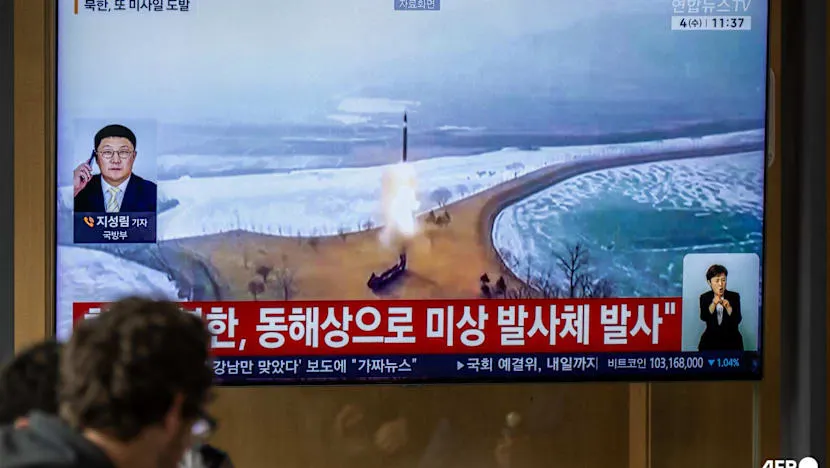
North Korea fired several missiles from its east coast towards the Sea of Japan on 4 November, according to South Korea’s military. The launches add to a recent series of weapons tests as Pyongyang takes a harder line towards Seoul and Washington, amid rising tensions over a landmine blast near the border.
South Korea and the United States said they tracked the launches and are analysing the missiles’ specifications. The firing followed North Korean tests of strategic cruise missiles and cluster-bomb warheads, as well as trials involving attack drones, a torpedo system and a hypersonic missile. Kim Jong Un’s sister warned of a stronger response to US policy, while Donald Trump said he might meet the North Korean leader during his Asian tour.
In short
- North Korea fired several missiles towards the Sea of Japan.
- The launch follows a series of recent weapons tests.
- Pyongyang warned it would respond more strongly to US policy.
Steelman: both sides, in good faith
The strongest fair case each way — we don't pick a winner.
The case for
North Korea could argue that its weapons tests deter an attack and strengthen its position in the face of US and South Korean military activity. From this perspective, maintaining a credible defence protects the country’s security and gives Pyongyang leverage in any future negotiations.
The case against
South Korea, the United States and other critics could argue that repeated missile tests raise the risk of miscalculation and make a tense regional situation more dangerous. They can also contend that such demonstrations undermine trust and divert attention from diplomacy, without providing neighbouring countries with reassurance about Pyongyang’s intentions.
Explained simply
North Korea and South Korea remain technically at war: the 1950–53 conflict ended in an armistice, not a peace treaty. The border is heavily guarded, and incidents there can raise tensions between the two countries.
North Korea is led by Kim Jong Un and has developed nuclear weapons and missiles despite United Nations sanctions. South Korea is allied with the United States, which keeps forces in the region; Pyongyang views their military cooperation as a threat, while Seoul and Washington describe it as defensive.
Missile tests matter because they can show how North Korea’s weapons are developing and prompt responses from South Korea, the United States and neighbouring countries. They also take place amid longstanding disputes over security and North Korea’s weapons programme.