World news and discussion on TalkFuse.
North Korea has removed unification from its constitution. What should South Korea prepare for?
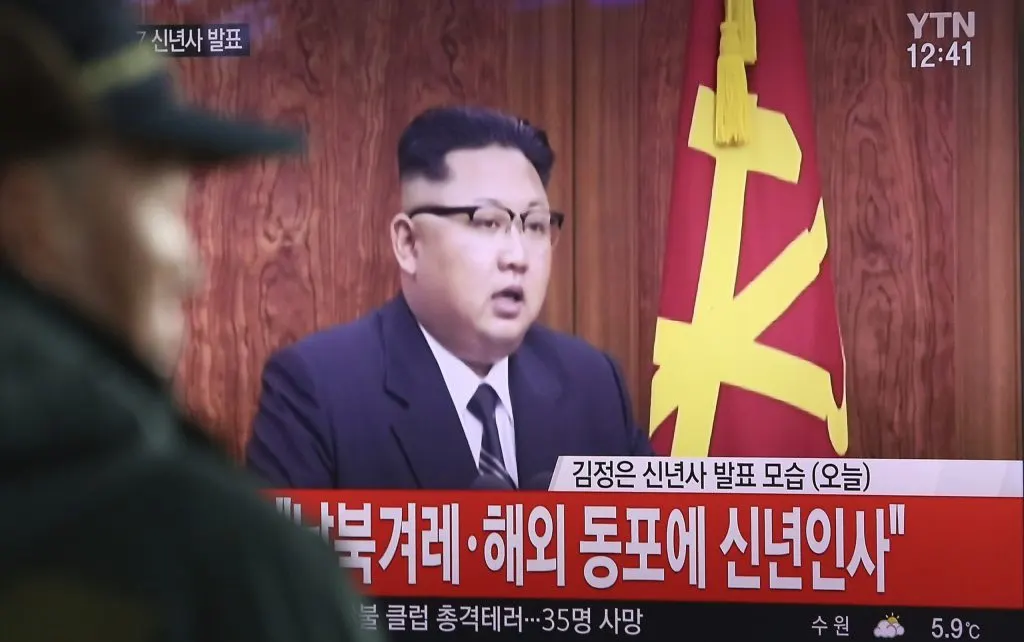
North Korea has removed constitutional references to peaceful reunification and the unity of the Korean nation, formalising leader Kim Jong Un’s description of relations with South Korea as those between hostile states. The change matters because it puts the separation of the two Koreas into the country’s highest legal framework, signalling a shift away from reconciliation.
The revised constitution was published on Wednesday through state-run website Naenara after being amended by the Supreme People’s Assembly on 23 March. It defines North Korea’s territory as bordering China and Russia to the north and South Korea to the south, replacing language that treated the Koreas as one nation destined for reunification.
In short
- North Korea has removed reunification from its constitution.
- The revised text defines South Korea as a separate state.
- The change formalises a shift towards hostile relations.
Steelman: both sides, in good faith
The strongest fair case each way — we don't pick a winner.
The case for
South Korea should prepare for a more durable, openly hostile relationship by strengthening deterrence, civil defence and coordination with allies. Removing reunification from North Korea’s constitution makes the separation a formal state position, so planning for coercion or military escalation is prudent even while keeping communication channels open.
The case against
South Korea should avoid treating a constitutional change as proof that conflict is imminent or abandoning the possibility of future engagement. Maintaining dialogue, crisis hotlines and practical cooperation can reduce miscalculation, while a measured defence posture protects security without deepening hostility or foreclosing eventual reconciliation.