World news and discussion on TalkFuse.
North Sea oil is a litmus test for Burnham | Letters
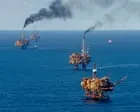
In two letters to the Guardian, readers debate whether the prime minister, Andy Burnham, should support expanding North Sea oil drilling, framing it as a test of his political credibility. The exchange follows reporting that Burnham risks a backbench revolt over his apparent backing for new drilling, with correspondents disagreeing sharply on whether this represents pragmatic industrial policy or a betrayal of environmental commitments.
John Barstow argues, as a self-described environmentalist, that oil expansion is necessary because oil serves as a feedstock for maintaining wind turbines, nuclear plants and rail, making a domestic supply base valuable; he also links this to approving coking coal extraction in Cumbria for steel production, and suggests tree planting and reducing plastic waste as better environmental measures. David Parker counters that new drilling offers little practical gain while damaging the optimism Burnham has built, arguing that he will be seen as bowing to the fossil fuel lobby, and challenges Burnham's stated view that the real question is where Britain's oil and gas comes from rather than whether it is used at all.
In short
- Two letters debate Burnham's stance on North Sea oil expansion
- Barstow: oil needed for green tech supply chains and jobs
- Parker: drilling undermines Burnham's climate credibility
Steelman: both sides, in good faith
The strongest fair case each way — we don't pick a winner.
The case for
The case for expansion rests on industrial pragmatism. Oil serves purposes beyond fuel—it provides materials and lubricants essential for wind turbines, nuclear infrastructure and rail systems. Rather than importing these materials from less regulated jurisdictions, maintaining domestic production reflects a realistic assessment that eliminating oil entirely is not feasible in the near term. Additionally, environmental efforts might achieve greater impact through tree planting and plastic reduction than through symbolic gestures that simply relocate production elsewhere.
The case against
The case against expansion emphasises political consistency and leadership credibility. Even if some oil use remains necessary, actively expanding new drilling locks in fossil fuel infrastructure for decades and appears to contradict previous environmental commitments. This undermines the trust and optimism Burnham has cultivated, and suggests capitulation to industry lobbying. The fundamental choice is not where oil sourcing occurs but whether actively expanding production aligns with the priority of transitioning to renewable energy and maintaining public confidence in the government's climate commitments.
Explained simply
North Sea oil and gas have long been part of Britain’s energy supply, while the North Sea is also a focus of debate over climate change and the shift to cleaner energy. New drilling means allowing companies to search for and extract more oil or gas; the argument often turns on whether this supports jobs and industry or prolongs reliance on fossil fuels.
Andy Burnham is the prime minister at the centre of the debate. The letters refer to uses of oil as a raw material in industry and to coking coal, which is used to make steel, while also raising questions about the environmental effects of extracting and burning fossil fuels.
The issue matters because decisions about energy supply affect industrial policy, climate commitments and public trust in political leaders. The disagreement over drilling reflects wider questions about how quickly Britain should move away from fossil fuels and what role domestic production should play during that transition.
Americas Business Environment Government Politics Science World