Northeastern US faces dangerous heat surge with record temperatures and infrastructure strain
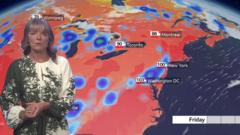
The northeastern United States is experiencing an intense heatwave characterized by extreme temperatures and high humidity levels over the long weekend, with New York City facing its hottest conditions since 2012 at approximately 100°F. Several areas across the region are approaching or expected to exceed historical temperature records, prompting significant public health concerns.
In response to the crisis, authorities have activated emergency cooling centers to protect vulnerable populations from heat-related illness. The situation has also raised concerns about electrical grid capacity, with officials suggesting energy conservation measures—including recommendations to set air conditioning thermostats at 78°F to prevent blackouts—though such guidance has drawn public criticism regarding its practicality during extreme heat conditions.
- Sources
- 2
- Outlets
- 2
- Left · Centre · Right
- 0 · 1 · 1
In short
- Northeastern US experiencing dangerous heatwave with NYC hitting ~100°F, its hottest since 2012
- Multiple areas approaching or exceeding record temperatures over the long weekend
- Authorities opened emergency cooling centers and issued energy conservation guidance amid blackout concerns
How this story developed
- 4 months ago The northeastern United States is experiencing an intense heatwave characterized by extreme temperatures and high humidity levels over the long weekend, with New York City facing its hottest conditions since 2012 at approximately 100°F.
Where outlets differ
Centre outlets 1
Only here: extreme, heat, high, humidity, hitting
Right-leaning outlets 1
Only here: mamdani, mocked, telling, residents, keep
Headline columns compared word for word; nothing in them is AI-written.
Steelman: both sides, in good faith
The strongest fair case each way — we don't pick a winner.
The case for
Officials have a duty to reduce the risk of blackouts during exceptional heat, when simultaneous air-conditioning use can strain the grid and leave everyone, including medically vulnerable people, without cooling. Asking those who can safely do so to set thermostats higher is a practical form of shared conservation that may help preserve essential electricity, while cooling centres provide an alternative refuge for people most at risk. This approach reflects a precautionary view that a modest, temporary inconvenience is preferable to a wider system failure.
The case against
Critics argue that recommending 78°F indoors during near-record heat and humidity can be unrealistic or unsafe for older people, young children, disabled people, outdoor workers returning home, and those with health conditions or poorly insulated housing. They contend that responsibility for grid resilience should not fall chiefly on households during an emergency, particularly when access to cooling centres, transport and the ability to absorb higher discomfort varies greatly. From this perspective, guidance should prioritise clear health-based advice and stronger institutional measures to protect reliable power and affordable cooling.
Explained simply
Heatwaves occur when a large area experiences unusually high temperatures for several days or longer. High humidity can make heat more dangerous because it limits the body’s ability to cool itself through sweating, increasing the risk of heat exhaustion and heatstroke.
The north-eastern United States includes densely populated cities such as New York, Boston and Philadelphia, where many people live in homes that can retain heat. Older adults, young children, people with health conditions, outdoor workers and those without reliable air conditioning are among the groups most at risk.
Very hot weather also increases demand for electricity as homes, offices and transport systems use more cooling. If demand approaches the limits of the power grid, authorities may ask people to reduce energy use while opening cooling centres for those who need a safer place to escape the heat.
Coverage · 2 sources
Bias meters
From 2 rated sources.