Science news and discussion on TalkFuse.
Northern Ireland farm profits topped £1bn in 2025
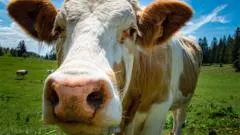
Northern Ireland's farming industry recorded profits of more than £1bn in 2025, up 36% in real terms on the previous year and the first time the figure has passed that mark. The surge was driven largely by record beef prices, which have risen as farmers exit the sector after years of thin margins and tighter regulation, tightening supply against steady demand. Dairy and egg production also performed strongly, both having seen substantial consolidation and investment over the past decade.
Total farm output rose 12% to £3.6bn while input costs increased only marginally to £2.2bn, and beef output value alone climbed 37% to just under £900m despite slightly lower production volumes. The Department of Agriculture, Environment and Rural Affairs forecasts average profit per farm will rise 19% in 2025/26, from £56,390 to £66,840, with subsidies accounting for under 30% of total profit — low by historical standards. Agriculture Minister Andrew Muir welcomed the results but warned they are unlikely to be repeated, noting that market prices have fallen sharply in 2026 while input costs have risen.
In short
- NI farm profits exceeded £1bn in 2025, up 36% in real terms.
- Record beef prices, plus strong dairy and egg sectors, drove the rise.
- Minister warns 2026 outlook is weaker as prices fall and costs rise.
Steelman: both sides, in good faith
The strongest fair case each way — we don't pick a winner.
The case for
Northern Ireland's farming sector has delivered genuine profitability with over £1bn in 2025, with subsidies representing less than 30% of profit—a historic low that demonstrates real market competitiveness. The substantial increases in output value and profit margins across beef, dairy, and eggs, achieved with only marginal cost increases, suggest farmers have invested successfully and operate efficiently, indicating a sustainable business model that rewards productive enterprise.
The case against
The Agriculture Minister himself cautioned that these record profits are unlikely to be repeated, as they result from temporary supply constraints caused by farmers exiting the sector rather than fundamental structural improvement. With prices already falling sharply and input costs rising in 2026, the windfall appears unsustainable, and the underlying trend of farmer exits represents contraction rather than health—a sector losing its practitioners cannot be considered genuinely prosperous regardless of per-farm profitability.
Explained simply
Farming is a major part of Northern Ireland’s economy, producing beef, dairy products and eggs. Farm profits are what remains after businesses account for costs such as animal feed, fuel, labour and equipment.
Beef prices can rise when fewer farmers produce cattle while demand remains steady. Over the past decade, dairy and egg farms have also become more consolidated, with investment changing how the sectors operate.
Farm incomes are affected by both market prices and public subsidies, which are payments intended to support agriculture. Strong profits in one year do not necessarily mean every farm has done well, or that high earnings will continue.