Politics news and discussion on TalkFuse.
Nothing but highlights: is Power Slap the sport we deserve?
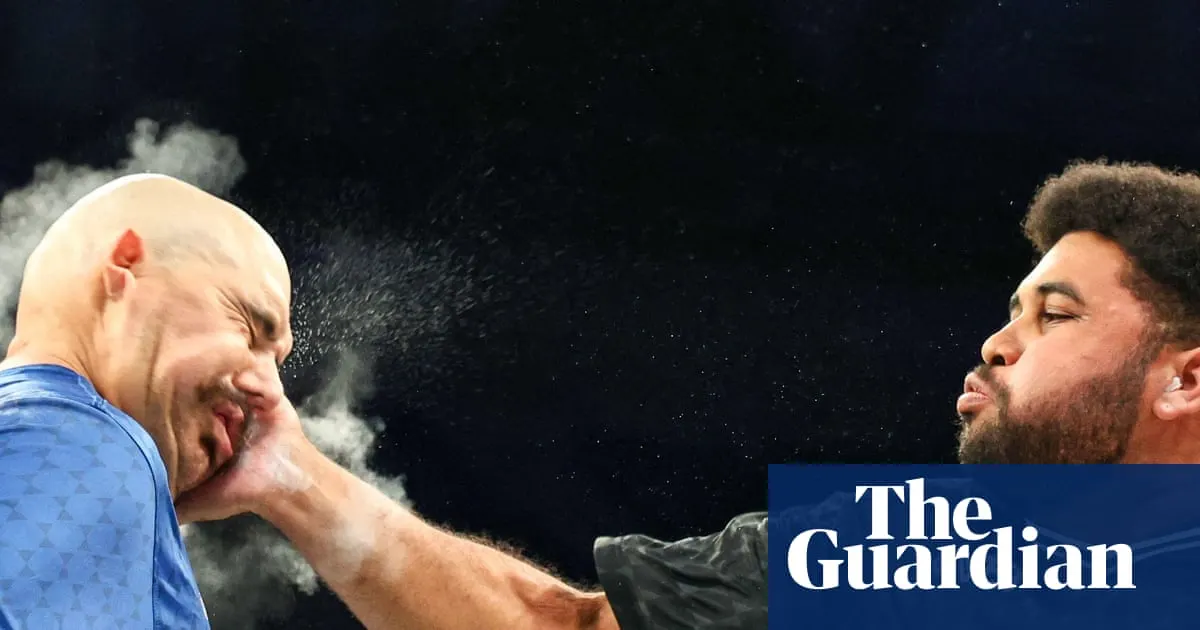
Power Slap, a new combat sport built around competitors taking turns to slap one another, is designed for quick, shareable highlights on social media. Its rise raises questions about what makes a sport compelling when bouts can be decided in seconds and contestants are not allowed to dodge or block.
Competitors stand across a podium and deliver one open-handed strike to the cheek per turn, with a minute to recover before receiving a slap in return. Bouts last three to five rounds, are judged on technique and impact, and about half end in a knockout; catchers stand behind the competitors to stop them falling.
In short
- Power Slap is designed for short-form video and viral moments.
- Competitors take turns striking without dodging or blocking.
- About half of bouts are won by knockout.
Steelman: both sides, in good faith
The strongest fair case each way — we don't pick a winner.
The case for
Supporters could argue that Power Slap is a clearly defined contest of composure, striking technique and resilience, with rules, judges and catchers intended to manage the risks. Its short, dramatic bouts may attract audiences who would not watch longer combat sports, and its popularity can be seen as evidence that there is an audience for it.
The case against
Critics could argue that making competitors absorb repeated blows without dodging or blocking creates avoidable risks of serious injury, especially when many bouts end in a knockout. They may also object that designing the sport for quick social-media highlights rewards spectacle over sustained skill, and that safeguards such as catchers cannot remove the harm caused by the strikes.
Explained simply
Power Slap is a contest in which two competitors take turns hitting each other on the cheek with an open hand. They stand at a podium, cannot dodge or block, and have a minute to recover before the next slap.
Bouts usually last three to five rounds and are judged on the force and technique of each strike. Catchers stand behind the competitors in case they fall, and about half of bouts end in a knockout.
The format is built to produce brief, dramatic moments that can be shared online. It raises questions about how much a sport’s appeal depends on sustained competition, and how viewers weigh spectacle against the risks of taking repeated blows to the head.
Politics Trending Weird & Viral