World news and discussion on TalkFuse.
Notre Dame caves, lives up to Marcus Freeman’s promise as USC rivalry game is officially back
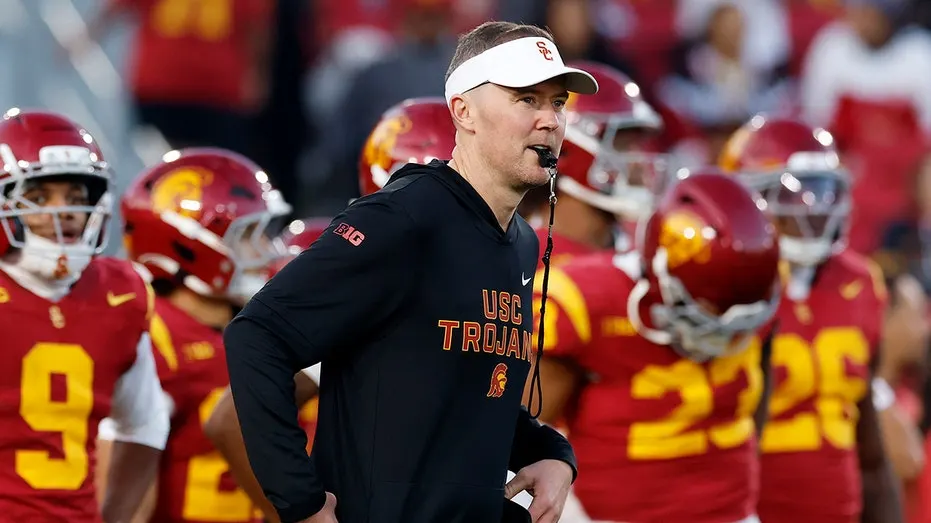
Notre Dame and USC have resolved a scheduling dispute that threatened one of college football's oldest rivalries, with Notre Dame reportedly agreeing to USC's terms to keep the annual fixture alive. The game, often billed as the "Greatest Intersectional Rivalry", was due to move back to Los Angeles in 2026 after being played in South Bend in 2025, but disagreement over timing had put its future in doubt. The resolution matters because it preserves a fixture with a long history between the two storied programmes, and fulfils a public assurance from Notre Dame head coach Marcus Freeman that the series would continue.
The dispute centred on when the match should be played each season, with USC pushing to move the fixture earlier in the calendar rather than keep it in its traditional late-season slot. According to the report, Notre Dame ultimately yielded to USC's preferred scheduling, allowing the 2026 game in Los Angeles to go ahead as planned. The article, published on Fox News's OutKick sports section, does not specify the exact new date agreed for the fixture.
In short
- Notre Dame and USC settle a scheduling row over their rivalry game.
- Notre Dame reportedly agreed to USC's preferred timing.
- The fixture keeps its Los Angeles return planned for 2026.
Steelman: both sides, in good faith
The strongest fair case each way — we don't pick a winner.
The case for
Preserving historic rivalries is genuinely valuable to college football's culture and identity. The Notre Dame–USC series, running since 1926, represents something worth protecting even at modest cost. A compromise that keeps this fixture alive, rather than allowing it to founder over scheduling logistics, prioritises what ultimately matters most—the continuation of a storied tradition. Freeman's public commitment to maintaining the rivalry made follow-through important for institutional credibility.
The case against
Athletic scheduling involves real competitive advantage, and moving a traditional late-season showcase game to an earlier slot represents a material concession. Without clarity on what Notre Dame gained in return, the framing as Notre Dame caving to USC's terms raises fair questions about whether the compromise reflected equal bargaining, or whether Notre Dame simply prioritised the public relations value of preserving the rivalry over its institutional scheduling interests.
Explained simply
Notre Dame and the University of Southern California (USC) are two prominent American university football teams. They have played each other regularly since 1926, despite being based far apart: Notre Dame is in Indiana and USC is in Los Angeles.
Their match is known as an intersectional rivalry because it brings together teams from different parts of the country. The annual series has been a notable part of college football for generations, so uncertainty over whether it would continue drew attention from fans and the sport.
Americas Art Celebrity Culture Entertainment TV World