More rain and gales forecast across Britain after Storm Boelo’s deadly weekend
Developing story first seen 3 hours ago
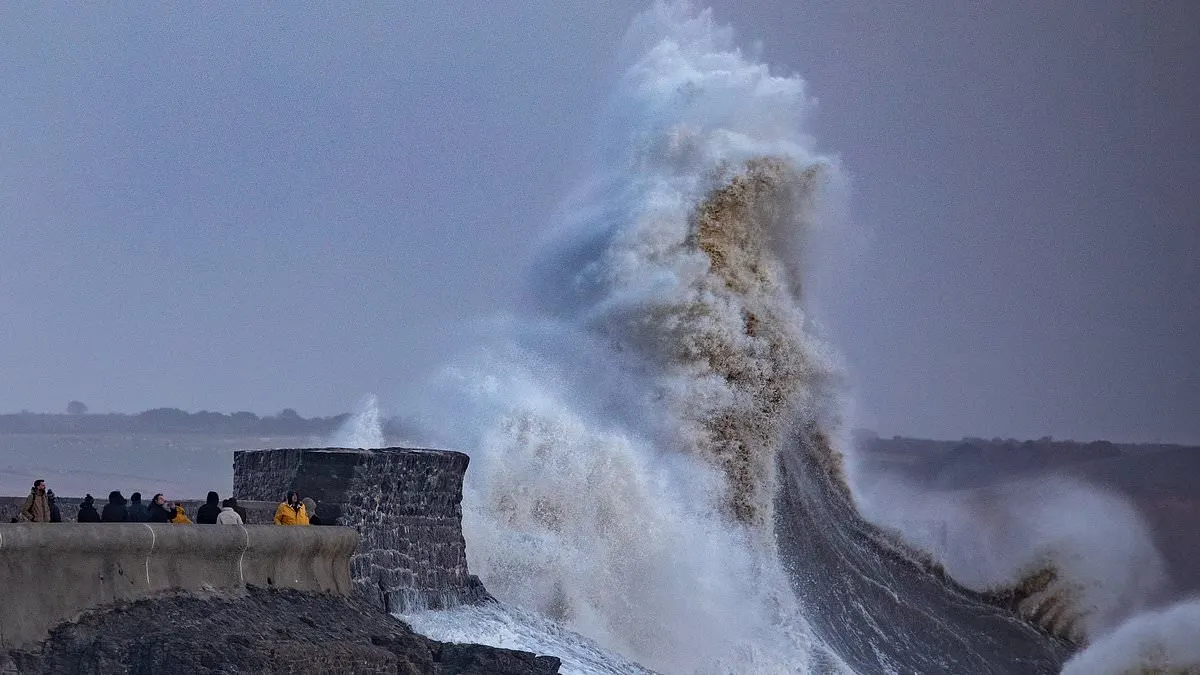
The Met Office forecasts more rain and strong winds across Britain after Storm Boelo caused deaths, flooding and widespread power cuts over the weekend. Storm Chloe could become the next named storm if conditions intensify enough to prompt an amber or red warning.
Rain is expected to move north-east across the UK on Monday, with gales in the west later, followed by a windy, wet Tuesday; the strongest winds in northern areas may arrive then, with gusts around 70mph possible. Boelo brought gusts of up to 85mph in Machrihanish, killed two people in separate incidents involving fallen trees and left 161,400 homes without power, while flooding affected areas including Glasgow and Largs.
- Sources
- 2
- Outlets
- 2
- Left · Centre · Right
- 0 · 1 · 1
In short
- More rain and strong winds are forecast after Storm Boelo.
- Storm Chloe may be named if severe warnings are issued.
- Boelo killed two people and left 161,400 homes without power.
How this story developed
- 55 minutes ago The Energy Networks Association said severe weather was hampering power repairs, while the Met Office forecast strengthening winds on Monday and unsettled conditions on Tuesday, with another named storm possible if warnings reach amber or red.
- 1 hour ago Storm Boelo caused two deaths, flooding and power cuts affecting 161,400 homes over the weekend, as the Met Office forecast further rain and strong winds across Britain.
Full account
Storm Boelo left a trail of damage and disruption across Britain over the weekend, with heavy rain and powerful winds affecting parts of Scotland and northern England in particular. Gusts reached 85mph at Machrihanish on Scotland’s west coast, while many other northern areas recorded winds of 60 to 70mph. Flooding affected communities including Largs in Ayrshire and Dalmarnock in Glasgow, and homes and businesses were damaged. An estimated 160,000 properties lost electricity during the storm; about 90,000 were still without power on Monday, according to the Energy Networks Association.
Two men died after trees fell during the storm: a man in his twenties in north London, whose car was struck, and a 60-year-old man in Dumfries and Galloway. Recovery work has been complicated by continuing high winds. ENA chief executive Leo Slade said crews could not safely reach some sites to repair damaged poles and wires until conditions eased. Power cuts also disrupted businesses and public services: some Scottish schools closed because of problems including loss of power, heating or water, while a manufacturer in Cumbria said its factory and shop were expected to remain without electricity until Tuesday evening.
Further unsettled weather is forecast. The Met Office has issued yellow wind warnings covering parts of western England, Wales and Scotland, as well as eastern Northern Ireland, from Monday evening into early Tuesday. A separate warning applies to northern Scotland from early Tuesday. The forecast points to rain moving north-east across the UK on Monday, with strengthening winds and gales in the west later, followed by another blustery spell. Forecaster Aidan McGivern said the strongest winds were expected in northern parts on Tuesday, with gusts potentially reaching 70mph.
The weekend’s damage followed Storm Austen, which had brought disruption to parts of the UK in recent days. The Met Office may name another storm, Chloe, if conditions meet the threshold for an amber or red warning; the reports describe this as a possibility, rather than a storm already declared. Slade said the power network had been prepared for severe weather, while also raising the question of whether further investment would be needed as climate change brings more storms.
Where outlets differ
From the full account, which is AI-written from the sources:
The first report gives the estimated peak impact on electricity supplies as 160,000 homes without power; the second gives the Monday update of about 90,000 properties still disconnected, attributed to the Energy Networks Association. These figures refer to different points in the response and are not necessarily inconsistent.
The first report focuses on the forecast and the prospect of a possible third named storm, Chloe, and includes examples of flooding and damage. The second centres on the ongoing power cuts, recovery work, business impacts and school closures, and names Storm Austen as the preceding storm.
The accounts describe the next wind warnings at different levels of detail: the second specifies yellow warning areas and timings, while the first quotes a forecast of possible 70mph gusts on Tuesday and says the situation will be monitored closely.
Centre outlets 1
Only here: clean, leaves, thousands, without, power
Right-leaning outlets 1
Only here: rain, gales, forecast, across, britain
Every side used: storm, boelo
Headline columns compared word for word; nothing in them is AI-written.
Explained simply
The Met Office is Britain’s national weather service. It issues forecasts and warnings to help people and public services prepare for hazards such as heavy rain and strong winds.
Storms in the UK are given names when severe conditions are expected to prompt an amber or red weather warning. Naming a storm helps the public and emergency services recognise that warnings and reports refer to the same weather system.
Heavy rain and gales can cause flooding, damage buildings and bring down trees and power lines. These effects can disrupt travel and leave homes without electricity, while fallen trees and other damage can put people at risk.
Coverage · 2 sources
Bias meters
From 2 rated sources.
Business Culture Markets Travel World
Read the full article at the source →
Originally published by Daily Mail as “Now brace for Storm Chloe! More wild weather could be on its way just hours after Storm Boelo left two dead and more than 160,000 without power”.