Culture news and discussion on TalkFuse.
NSW property image rules misfire after genuine mural photo flagged
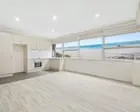
New South Wales has introduced laws to curb misleading rental advertisements using digitally altered or AI-generated images, but the government’s launch was undermined by wrongly identifying a genuine property photograph as doctored. The image showed a Bondi Beach mural in the courtyard of a Leichhardt apartment, not a fabricated coastal view, prompting the estate agency to deny any digital alteration.
The legislation, taking effect in early 2027, will allow fines of up to $22,000 for real estate businesses that fail to disclose altered or AI-generated images. The rules target “housefishing”, in which edits misrepresent a property’s size, condition or features, while industry figures distinguish acceptable virtual staging from changes that could deceive prospective buyers. The mural reportedly cost about $5,000 and remains in place.
In short
- NSW’s AI-ad crackdown wrongly targeted a genuine mural photograph.
- New rules will impose fines of up to $22,000.
- Industry debate centres on deception versus acceptable virtual staging.
Steelman: both sides, in good faith
The strongest fair case each way — we don't pick a winner.
The case for
Housefishing causes genuine consumer harm by misrepresenting properties' actual features, size and condition, influencing purchasing decisions and inflating prices. Renters and buyers—particularly first-time participants in the market—often cannot distinguish digitally altered imagery from reality, creating an information asymmetry that requires regulation. Clear legal requirements for disclosing alterations and AI-generated images protect vulnerable consumers and establish market transparency, much as with advertising standards in other sectors.
The case against
Virtual staging and creative photography are legitimate marketing tools that help prospective renters and buyers visualise properties' potential. The line between acceptable property marketing and actual deception is inherently subjective, and overly prescriptive regulations risk chilling legitimate practice whilst imposing substantial compliance costs on smaller estate agencies. Market mechanisms—customer reviews, reputation damage, and available authentic photographs—already provide sufficient incentive against deception, making heavy-handed legal intervention unnecessary.
Explained simply
Rental listings in New South Wales must give prospective tenants and buyers an accurate picture of a property. Some agents use digitally edited images or AI-generated pictures, which can make a home look larger, better maintained or as though it has features it does not.
The planned rules are intended to address “housefishing”, a term for misleading property images. They will require real estate businesses to disclose when images have been altered or generated, with fines of up to $22,000 for failing to do so. The rules are due to take effect in early 2027.
Some changes, such as digitally adding furniture to show how a room might be used, are described by the industry as virtual staging. The distinction matters because images help people judge a property before visiting, and edits that change its apparent condition or features could affect their decisions.
Art Business Culture Government Markets Offbeat Politics Software Technology UK Weird & Viral World
Read the full article at the source →
Originally published by The Guardian as “NSW crackdown on ‘AI-doctored’ real estate listings hits mural-covered wall”.