NTT Global Data Centers weighs the price tag of not building fast enough
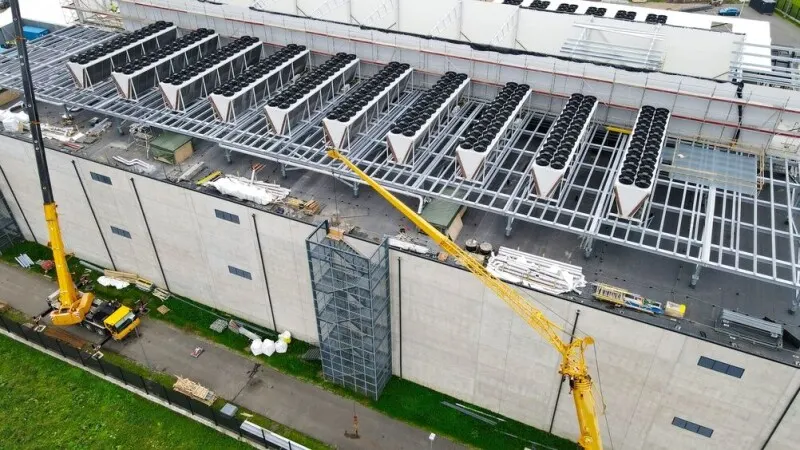
NTT Global Data Centers’ report says the rapid growth in AI demand could be held back by slow permitting and limited power availability, rather than a shortage of computing equipment or fibre capacity. The findings matter because delays in approving sites and connecting them to the grid could prevent planned data centre investment from becoming usable infrastructure.
The report models three growth paths through 2030: its baseline scenario assumes annual demand growth of about 23 per cent and around $3.8 trillion in additional digital infrastructure investment; the accelerated scenario puts that figure at $5.7 trillion. NTT CTO Bruno Berti says new sites can span two or three football fields and draw hundreds of megawatts, so the company advocates planning with utilities and communities, and greater transparency about water and power use.
- Permits and power could constrain AI data centre growth.
- Baseline demand growth is projected at 23 per cent a year.
- NTT argues that early utility planning and openness can build trust.
Both sides, in good faith
The strongest fair case each way — we don't pick a winner.
The case for
The case for speeding up approvals and grid connections is that AI and other digital services may need substantial new infrastructure, and delays could leave planned investment unusable. Clearer, earlier planning with utilities and communities could help deliver capacity in time while making the sites’ power and water demands more transparent.
The case against
The case for caution is that facilities spanning several football fields and drawing hundreds of megawatts can place significant demands on local power and water resources. Thorough permitting and community scrutiny can help assess those impacts and ensure infrastructure is sustainable, even if that slows construction and connection to the grid.