Nudists declare war over one of the West Coast’s most stunning beauty spots… and they’re using a bizarre slur for clothed beachgoers
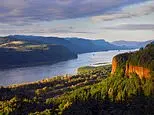
A dispute has broken out at Rooster Rock, a well-known nudist beach in Oregon's Columbia River Gorge, between naturists who use the site and clothed visitors who also frequent the area. According to the report, some nudists have taken to using the term "textiles" as a derogatory label for clothed beachgoers, reflecting rising tension over how the popular, scenic riverside spot should be shared. The row highlights broader friction at designated clothing-optional beaches in the US, where naturists and conventional beachgoers increasingly clash over etiquette, access and behaviour.
Rooster Rock State Park, located along the Columbia River near Portland, has long been recognised as one of the West Coast's most scenic official nudist beaches, drawing both naturists and curious onlookers. The Daily Mail report frames the disagreement as part of a wider "war" over use of the beauty spot, with the "textiles" term used to distinguish and disparage those who remain clothed. Full further details of specific incidents were not available in the source text provided.
- Nudists and clothed visitors clash at Oregon's Rooster Rock beach.
- Some nudists reportedly call clothed beachgoers "textiles" as an insult.
- Dispute reflects wider tension at US clothing-optional beaches.
New here? Start with this
Rooster Rock State Park sits on the Columbia River near Portland, Oregon, and has for decades operated as an officially sanctioned clothing-optional beach, making it one of the best-known spots on the West Coast where nudity is legally permitted. It attracts naturists who go specifically to sunbathe or swim nude, alongside clothed hikers, boaters and day-trippers who use the same stretch of river and surrounding park.
The tension centres on how this shared space should be used and by whom, with naturists reportedly adopting the term "textiles" to describe clothed visitors, a word borrowed from wider nudist culture that is sometimes used dismissively. This reflects a broader pattern seen at other designated nudist beaches in the United States, where disagreements over etiquette, crowding and who "belongs" on the sand can create friction between the two groups.
The dispute matters because Rooster Rock is a popular public park maintained by Oregon's state parks system, meaning any conflict over its use touches on questions of shared public land, personal freedom and how different groups negotiate access to the same natural spaces.
Both sides, in good faith
The strongest fair case each way — we don't pick a winner.
The case for
Naturists using Rooster Rock would point out that the site has been officially designated clothing-optional for decades, giving them a reasonable expectation of a judgement-free space to practise a lawful lifestyle centred on body acceptance and freedom from constant sexualisation. Many in the community see themselves as stewards of that designation, and some would argue that clothed visitors who arrive chiefly to stare or photograph undermine the respectful, non-sexual ethos naturists try to uphold. From this view, a term like "textiles" functions as light in-group slang distinguishing outsiders, not as a genuine slur, much as any hobbyist community develops its own shorthand.
The case against
Clothed beachgoers would counter that Rooster Rock is a public, taxpayer-funded state park, and that walking its trails or enjoying the riverbank in ordinary clothes is an equally legitimate use of shared land. They might feel that being labelled and mocked with a dismissive term, however jokingly intended, creates an unwelcoming atmosphere that runs against the inclusive, family-friendly spirit a public park should maintain. On this view, courtesy and equal access should not depend on what a visitor chooses to wear, and any place designated for shared public use ought to remain genuinely open to all who behave respectfully.