Science news and discussion on TalkFuse.
Nurdle impact to be researched for a year
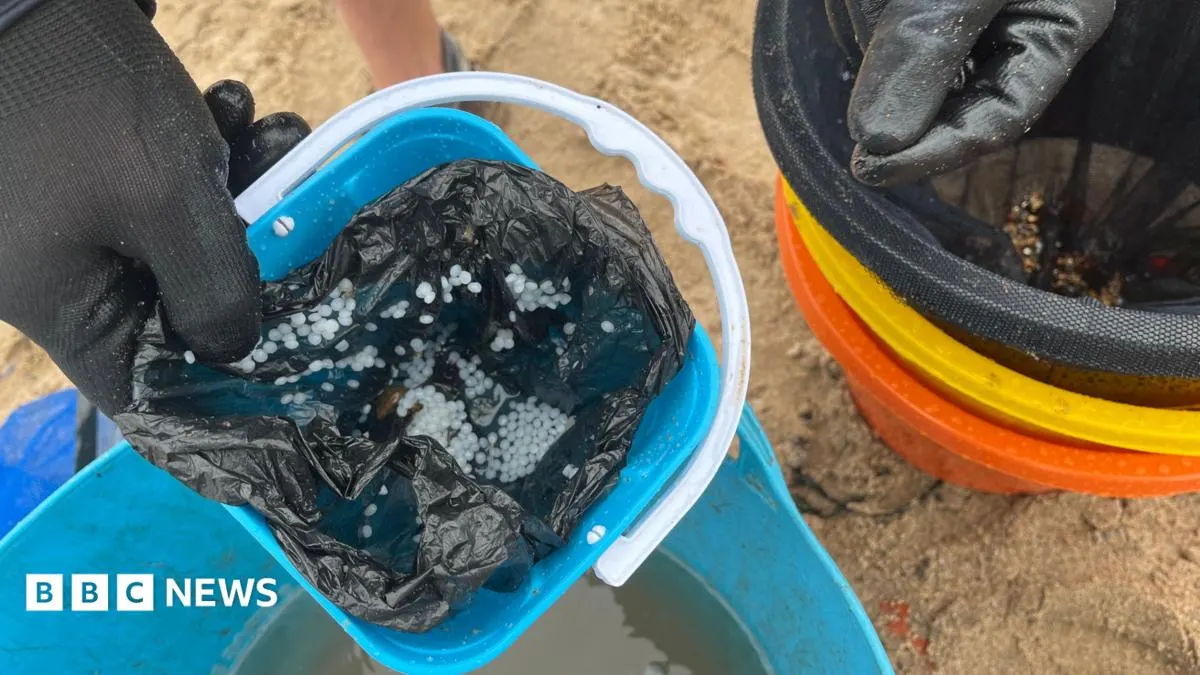
A year of research will examine how a July nurdle spill in the River Tyne has affected seabirds, fish and other marine life, and how far the plastic pellets have spread. The work matters because animals may mistake nurdles for food, while the pellets could also break down and affect the wider food chain.
Tonnes of nurdles entered the river on 19 July after ships collided at the Port of Tyne. Researchers have examined dead seabirds for six weeks; so far, they have found no nurdles in the stomachs checked, but pellets have been identified in regurgitated material. Newcastle and Liverpool university teams, supported by volunteers and regional organisations, will map the pellets’ movement, including investigating whether those found in Denmark came from the spill.
In short
- Research will track the spill’s effects for a year.
- Nurdles have been found in regurgitated seabird material.
- Teams will investigate how far the pellets have travelled.