Culture news and discussion on TalkFuse.
Nurse forced to use martial arts to take down violent patient at one of Australia’s busiest hospitals
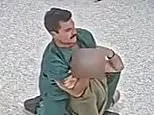
A nurse at a major Brisbane hospital was forced to use martial arts training to subdue a violent patient during an attack, highlighting ongoing concerns about violence against healthcare staff at one of Australia's busiest medical facilities. The incident has renewed calls for stronger protections and support for frontline hospital workers who face increasing risks of assault while on duty.
The article details how the nurse's martial arts background allowed them to physically restrain the aggressive patient, preventing further harm to themselves or others nearby. The case adds to a broader pattern of violence reported within Australian hospitals, raising questions about staffing, security measures and training provided to healthcare workers to manage such volatile situations safely.
In short
- Brisbane nurse used martial arts skills to restrain a violent patient
- Incident highlights rising violence against hospital staff in Australia
- Case renews calls for better protection for healthcare workers
Steelman: both sides, in good faith
The strongest fair case each way — we don't pick a winner.
The case for
Healthcare workers are essential staff who deserve safe working conditions, and violence against them is unacceptable and increasingly common. The incident demonstrates that current safety measures are inadequate; hospitals need proper security protocols, mental health crisis training, appropriate staffing levels, and genuine support for traumatised workers. Staff should not have to rely on personal martial arts skills to survive their shifts, and strengthening these protections is an ethical obligation.
The case against
Whilst worker safety is crucial, focusing primarily on stronger restraint and security measures risks creating an adversarial environment that undermines care. Many patients become violent due to untreated mental illness or personal crisis and need compassionate de-escalation rather than physical restraint. Resources should prioritise upstream solutions: properly funded mental health services, crisis intervention training, adequate staffing to reduce stress, and addressing root causes like homelessness and addiction. Emphasising security risks deterring vulnerable people from seeking help.
Explained simply
Hospitals treat people with a wide range of medical needs, and some patients may become distressed or behave aggressively. Nurses and other staff can face assaults while caring for patients, with risks to nearby workers and visitors as well.
Hospitals use measures such as staff training, security and procedures for responding to dangerous behaviour. The incident has drawn attention to how well these protections support frontline staff and help keep everyone in the hospital safe.
Art Business Culture Health Markets Medicine World