World news and discussion on TalkFuse.
Report links Nvidia chip network to China’s intelligence agency
Developed over time first seen 1 day ago
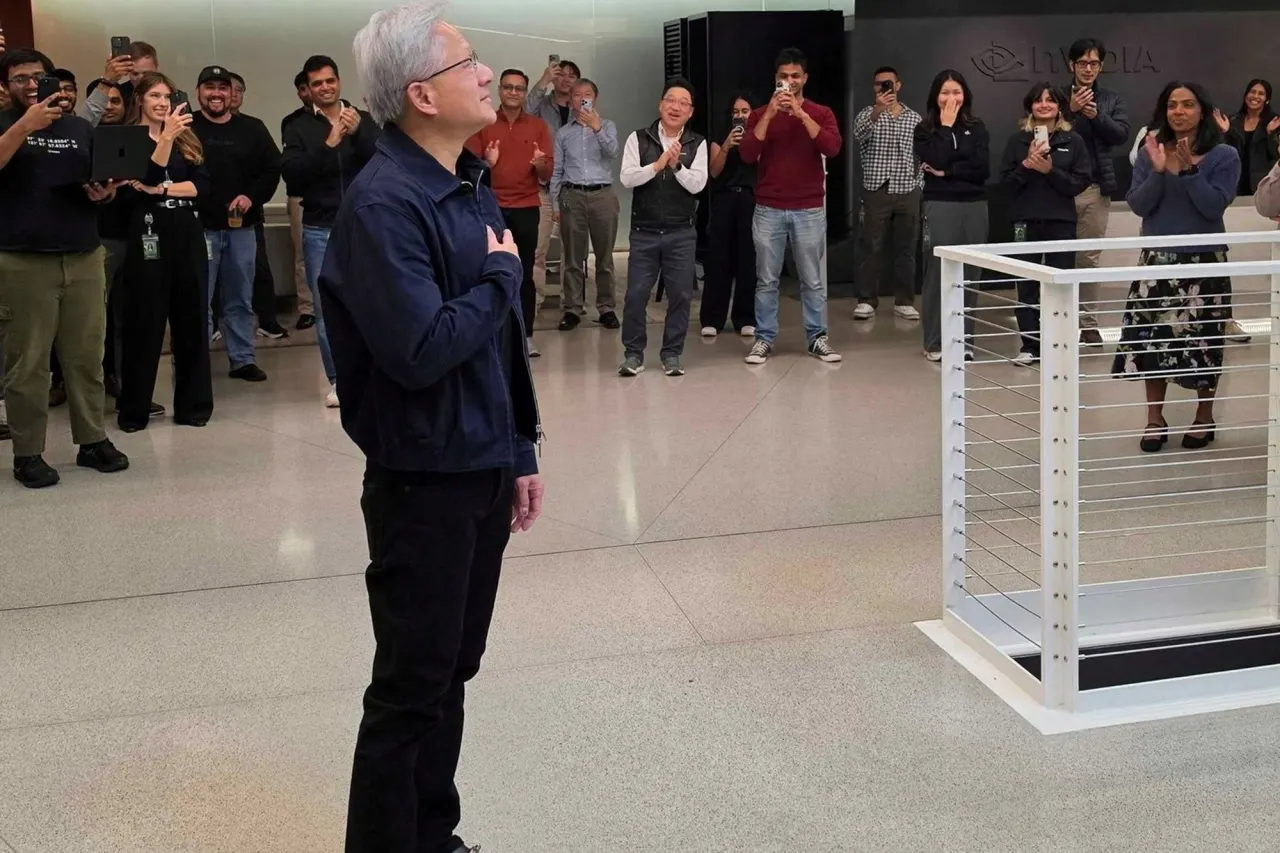
The opinion article argues that reported links between people associated with Nvidia chips and China’s Ministry of State Security illustrate a wider effort by Beijing to obtain US technology. It says the issue matters because advanced chips and artificial intelligence are strategically important, and contends that state-backed acquisition of technology could give China an advantage over US firms.
Citing a New York Times report, the article says Alice Huang was in contact with a ministry officer from spring 2025 until autumn, while her business partner Kang Wei may have worked with the agency. Huang was associated with Megaspeed, whose Southeast Asian data centres used Nvidia chips; the article says they gave Chinese interests remote access and may have been involved in smuggling chips to China. It also says Kang was creating a government-backed Chinese data-centre network valued at $9 billion, and recommends stronger company safeguards and tighter US scrutiny of some Chinese academic and investment links.
- Sources
- 2
- Outlets
- 2
- Left · Centre · Right
- 1 · 0 · 1
In short
- The article links Nvidia-related businesses to reported Chinese intelligence contacts.
- It says a Chinese data-centre network was valued at $9 billion.
- The author urges stronger safeguards against technology transfer.
How this story developed
- 20 hours ago The article newly framed the reported case as the latest example of the alleged campaign and urged US firms to strengthen safeguards against technology transfer.
- 1 day ago The article added alleged methods including cyber theft, employee recruitment, joint ventures and investment, and called for stronger corporate defences and closer scrutiny of some Chinese academic and business ties.
- 1 day ago An opinion article argued that alleged links between Nvidia-associated figures and China’s Ministry of State Security reflected Beijing’s broader effort to acquire US technology, citing reports about Alice Huang, her partner Kang Wei, Megaspeed’s data centres and a proposed $9 billion Chinese network.
Where outlets differ
Left-leaning outlets 1
- Why Jensen Huang Was Reinstated at NvidiaNew York Times
Only here: jensen, huang, reinstated
Right-leaning outlets 1
Only here: links, chip, network, china, intelligence
Every side used: nvidia
Headline columns compared word for word; nothing in them is AI-written.
Steelman: both sides, in good faith
The strongest fair case each way — we don't pick a winner.
The case for
If the reported links are substantiated, they could indicate a serious effort to obtain sensitive technology through commercial relationships, warranting stronger safeguards by US firms. Advanced chips and AI have strategic and security implications, and protecting them can be a reasonable part of managing competition with China.
The case against
The claims as presented do not establish that Nvidia or its associates knowingly transferred technology to Chinese intelligence, and association or contact alone is not proof of wrongdoing. Broad restrictions based on allegations could impede legitimate research and commerce, harm firms and customers, and deepen tensions; safeguards should be targeted and supported by clear evidence.
Explained simply
Nvidia is a US company best known for designing advanced computer chips. Its chips are widely used in data centres, which power online services and artificial intelligence tools. China’s Ministry of State Security is the country’s main civilian intelligence agency.
The article describes reported links between people connected with Nvidia chips and the ministry, and places them in the wider debate about efforts to obtain sensitive technology. The claims concern Alice Huang, who was linked to a data-centre business using Nvidia chips, and her business partner Kang Wei, who was reportedly involved in a Chinese data-centre project.
The issue matters because advanced chips and AI have economic and strategic value, and governments in both the US and China seek to develop these technologies. Allegations of technology transfer raise questions about how companies protect their designs and business information, and how countries manage competition over key technologies.
Coverage · 2 sources
Bias meters
From 2 rated sources.
Read the full article at the source →
Originally published by New York Post as “Nvidia’s Jensen Huang is just the latest target of Beijing’s brazen thievery”.