US prosecutors charge man over alleged $300m NVIDIA chip smuggling scheme
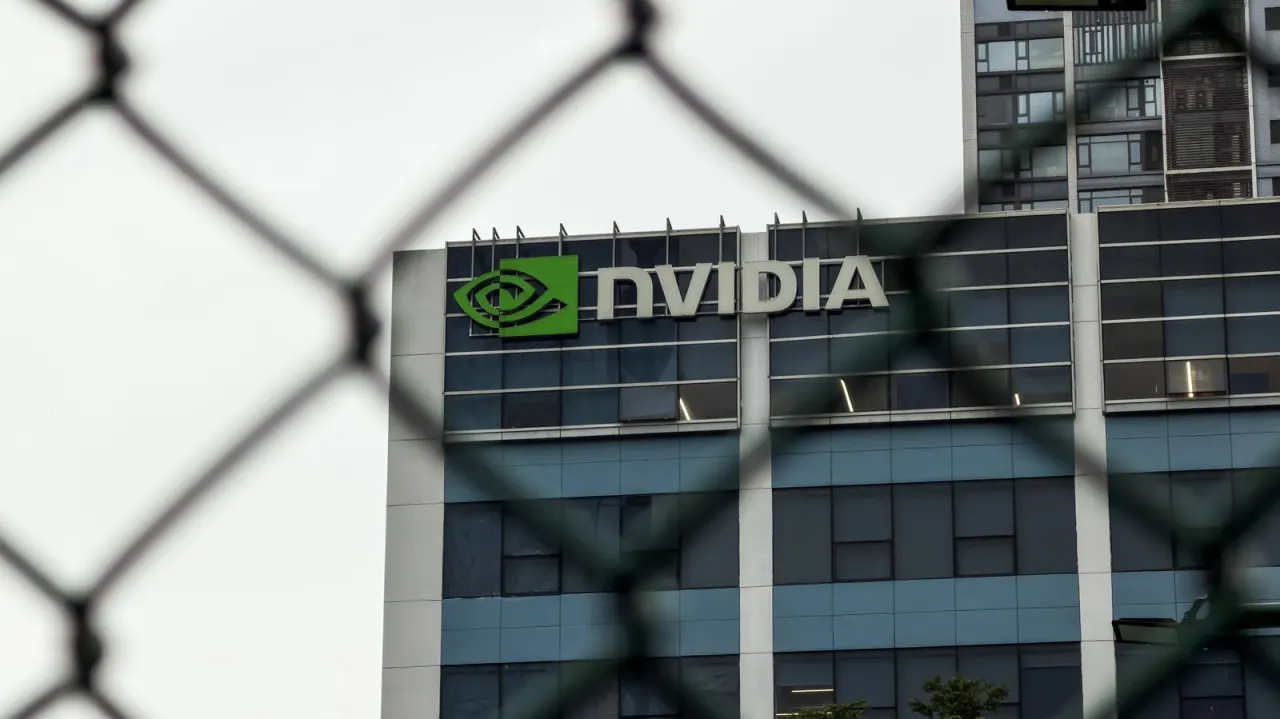
US prosecutors have charged Greg Lui with allegedly smuggling servers containing $300 million worth of NVIDIA AI chips to China, as officials and critics question whether the company is doing enough to detect diversion. The case adds to evidence of an expanding effort to evade US export controls, which restrict access to advanced chips and have made them valuable to Chinese buyers.
Bloomberg reports that US officials believe China may have obtained at least 115,000 restricted NVIDIA processors, potentially enough to equip dozens of data centres. In one alleged scheme, about $2.5 billion in servers were sold to Thailand-based OBON but sent to Chinese customers; collaborators are accused of using a hair dryer to move genuine serial-number stickers onto dummy servers. NVIDIA says it follows the law, disputes that the sales were a warning sign, and argues that Chinese advances in AI chips reduce the need for smuggling.
- US prosecutors charged a man over an alleged $300 million chip smuggling operation.
- Officials suspect China has received at least 115,000 restricted NVIDIA processors.
- NVIDIA disputes claims that its checks missed warning signs.
New here? Start with this
The United States restricts exports of advanced computer chips used in artificial intelligence, on the grounds that China could use them for military and surveillance purposes. These export controls make cutting-edge chips extremely valuable to Chinese buyers who cannot access them through legitimate means. The restrictions have consequently created strong financial incentives for people to attempt to smuggle the technology around the controls.
Recent cases have revealed extensive schemes to evade these restrictions and get restricted NVIDIA chips to China. US officials believe that thousands of advanced processors have reached China this way, sometimes through elaborate deception involving fake documentation and altered serial numbers. The scale suggests this is not merely isolated criminal activity but a systematic effort to circumvent the export controls.
The smuggling cases raise questions about whether chip manufacturers adequately monitor their sales and detect suspicious patterns. NVIDIA has pushed back against criticism, saying it follows legal requirements and arguing that Chinese advances in chip technology reduce the incentive to smuggle. Nonetheless, preventing diversion of restricted technology remains a significant concern for US officials.
Both sides, in good faith
The strongest fair case each way — we don't pick a winner.
The case for
Critics argue that NVIDIA, as a sophisticated technology company profiting substantially from these sales, bears responsibility for implementing stronger detection systems to catch suspicious diversion patterns. With $300 million in chips allegedly smuggled and evidence of systematic schemes—including elaborate deception using fake serial numbers—NVIDIA's sales verification and customer monitoring practices appear inadequate to prevent circumvention of critical national security export controls.
The case against
NVIDIA argues it follows all applicable legal export control requirements and that sophisticated criminals actively deceiving with fraudulent documentation cannot be the company's sole responsibility to detect. Expecting a technology vendor to catch every elaborate fraud scheme conflates routine compliance obligations with law enforcement duties that properly rest with government authorities, particularly when smugglers use sophisticated deception and when Chinese advances in chip design have reduced the incentive for such risky diversion schemes.
Read the full article at the source →
Originally published by Engadget as “NVIDIA’s smuggling problem is getting worse”.