NWSL removes High Impact Player eligibility criteria after union settlement
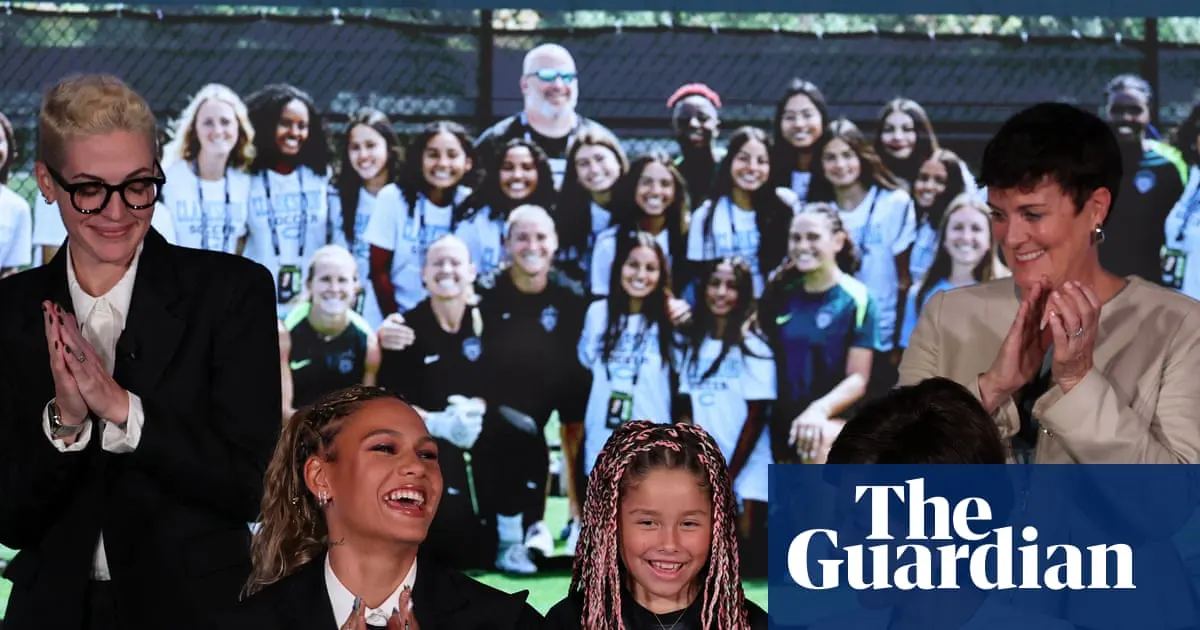
The NWSL and its players’ union have agreed to remove the eligibility criteria for the league’s High Impact Player rule, allowing clubs to designate any player for its highest salaries. The change settles a dispute over criteria the union argued breached labour protections and the collective bargaining agreement.
From 1 January 2027, a club can designate a player as high impact if her salary is at least 12% of the base salary cap; the league may limit how many each club can name. The rule allows $1m in spending above the cap, which is $3.7m for 2026. The settlement resolves six grievances, including one over the Washington Spirit’s earlier contract offer to Trinity Rodman, who later re-signed for more than $2m a year.
In short
- Any NWSL player can qualify for High Impact status from 2027.
- The salary must reach at least 12% of the base cap.
- The settlement resolves six union grievances, including one involving Rodman.
Steelman: both sides, in good faith
The strongest fair case each way — we don't pick a winner.
The case for
Removing the criteria gives clubs greater flexibility to reward players whose value they judge to justify a top salary, whether or not they meet a league-defined profile. Supporters could argue that this better reflects the varied ways players contribute and resolves a labour dispute while preserving a limit on how many designations each club may make.
The case against
Criteria can help ensure that extra spending above the salary cap is reserved for players who meet transparent, league-wide standards, rather than leaving decisions largely to clubs. Critics could argue that removing them weakens a safeguard against uneven use of the allowance and makes it harder to maintain consistent rules across teams.
Explained simply
The National Women’s Soccer League (NWSL) is the top professional women’s football league in the United States. Its clubs operate under a salary cap, which limits how much they can spend on players’ wages, while a collective bargaining agreement sets employment terms negotiated by the league and the players’ union.
The High Impact Player rule lets clubs spend some money above that cap on certain players. The league and union disagreed over how players qualified, with the union arguing that the criteria conflicted with labour protections and their agreement. The dispute included a grievance involving the Washington Spirit’s contract offer to forward Trinity Rodman, who later re-signed with the club.
Read the full article at the source →
Originally published by The Guardian as “NWSL drops controversial criteria around ‘Rodman Rule’ in settlement with NWSLPA”.