NY congressman to introduce bill protecting video game ownership
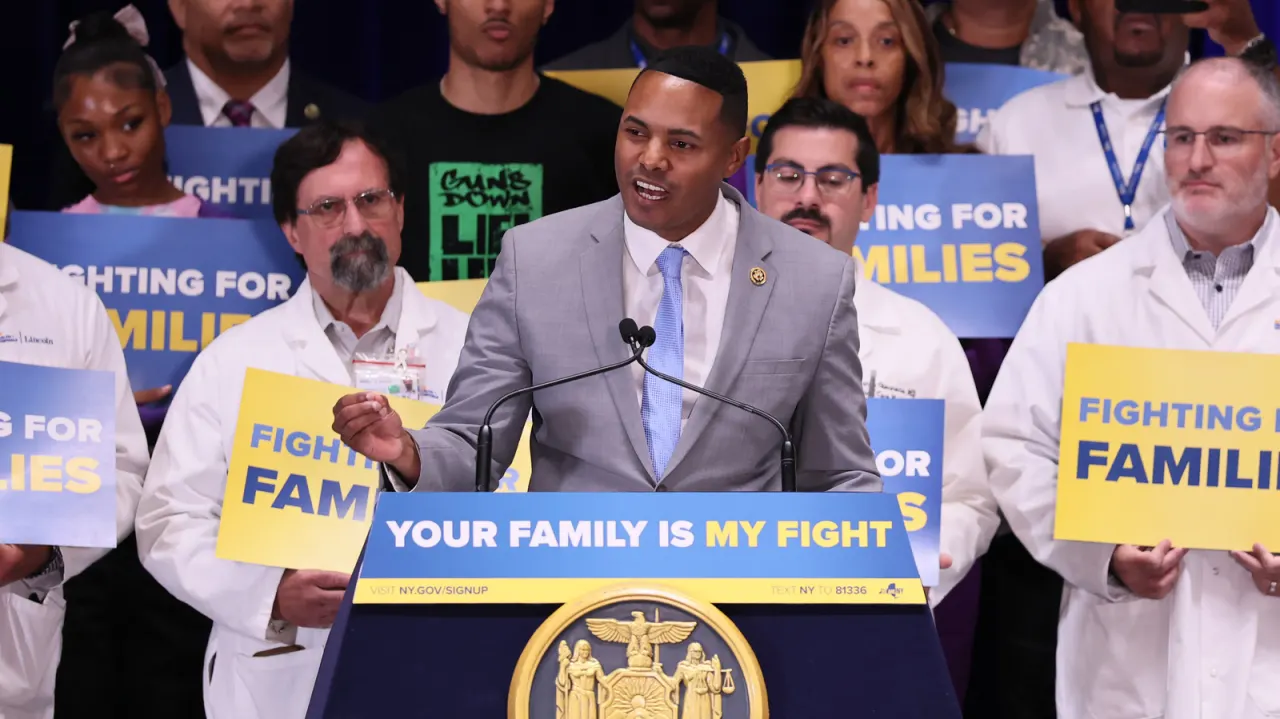
Representative Ritchie Torres plans to introduce the Power to the Players Act, which would ask the Federal Trade Commission to protect people’s ability to own and keep playing video games they have bought. The proposal comes amid concerns that digital purchases can be withdrawn when publishers remove games and shut down their servers.
The bill would treat games as owned products rather than revocable licences, and require companies to provide an offline mode when servers close. NBA 2K25, released for $70 in 2024, is due to leave digital shops on 30 October, with its online servers closing in December. The bill has not yet been introduced, and could face committee delays and legal challenges to the FTC’s authority.
- Torres plans a bill to protect ownership of purchased games.
- It would require offline play when servers shut down.
- NBA 2K25 is set to lose online support this year.
New here? Start with this
Video games can be bought as physical discs or downloaded from an online shop. Digital purchases often come with terms that give the publisher control over access, and some games rely on company servers to work.
Ritchie Torres is a US representative for New York. His proposed Power to the Players Act would ask the Federal Trade Commission, a federal agency that enforces consumer protection rules, to safeguard access to games people have bought, including by requiring an offline mode when servers close.
The issue matters because a game can become unavailable if it is removed from shops or its online services end. NBA 2K25, for example, is due to leave digital shops and later lose its online servers; the proposal’s outcome would depend on Congress and the FTC’s authority.
Both sides, in good faith
The strongest fair case each way — we don't pick a winner.
The case for
Supporters argue that paying for a game should bring durable access, not leave customers dependent on a publisher’s decision to withdraw it or shut down its servers. Requiring an offline mode when servers close could protect consumers’ expectations and preserve games as cultural works, while giving the FTC a role in setting clear rules for digital purchases.
The case against
Critics could argue that games are often sold under licences and built around online services, so requiring permanent ownership or an offline mode may impose costs and technical obligations that some products cannot readily meet. They may also question whether the FTC has authority to impose these rules, and contend that legislation should account for developers’ rights and the practical limits of maintaining discontinued games.