NY Times reporter admits Trump’s ‘delusional’ foes have wrongly written his political obituary many times
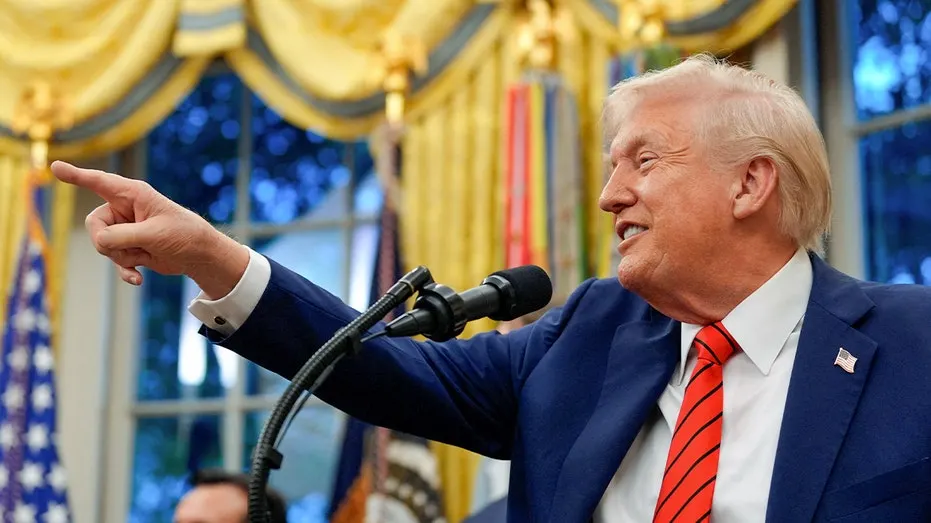
New York Times correspondent Jonathan Swan has cautioned against underestimating Donald Trump, noting that political observers have repeatedly predicted the end of his career only to be proven wrong. Swan's comments, which drew a comparison between Trump and Napoleon, emphasise the importance of analytical restraint when forecasting Trump's political prospects.
The reporter's observation reflects a documented pattern: situations that commentators treated as career-defining crises have been followed by Trump's political recovery or continued relevance. Swan's emphasis on maintaining intellectual humility when assessing Trump's future underscores a broader pattern of analysts declaring definitive conclusions about his viability prematurely.
In short
- NY Times reporter warns political commentators against premature predictions that Trump's career is finished
- Trump has repeatedly recovered from situations analysts presented as politically fatal
Steelman: both sides, in good faith
The strongest fair case each way — we don't pick a winner.
The case for
Analysts have repeatedly declared Trump's political career finished, only for him to survive and remain influential. This documented pattern demonstrates the importance of analytical restraint and intellectual humility when forecasting his political future. Rather than joining previous predictions of his demise, observers would serve the public better by acknowledging the demonstrated difficulty in forecasting his trajectory and avoiding premature conclusions.
The case against
Whilst acknowledging occasional missteps in timing, critics argue that serious concerns about Trump's conduct and fitness remain warranted and require robust scrutiny. Past prediction failures do not invalidate underlying concerns about his behaviour; they reflect instead his unusual political resilience or his base's tolerance for conduct that might have ended other careers. Calls for restraint risk normalising behaviour that demands accountability, and analytical humility should not preclude legitimate criticism of serious matters.
Explained simply
Donald Trump is a prominent American political figure who served as president from 2016 to 2020. Throughout his career in public life, commentators and political observers have frequently predicted that various controversies or crises would end his political career.
A documented pattern has emerged: these predictions have often not come to pass, and Trump has repeatedly recovered or maintained political influence despite situations observers treated as potentially career-ending. This cycle has repeated multiple times over several years, establishing a track record of political forecasts that proved inaccurate.
The significance of this pattern lies in what it reveals about political analysis. It illustrates the difficulty of making reliable predictions about complex political situations and prominent figures, making it important context for assessing any current or future claims about Trump's political prospects.