World news and discussion on TalkFuse.
NYC communists target Amazon from the inside — with help from City Hall
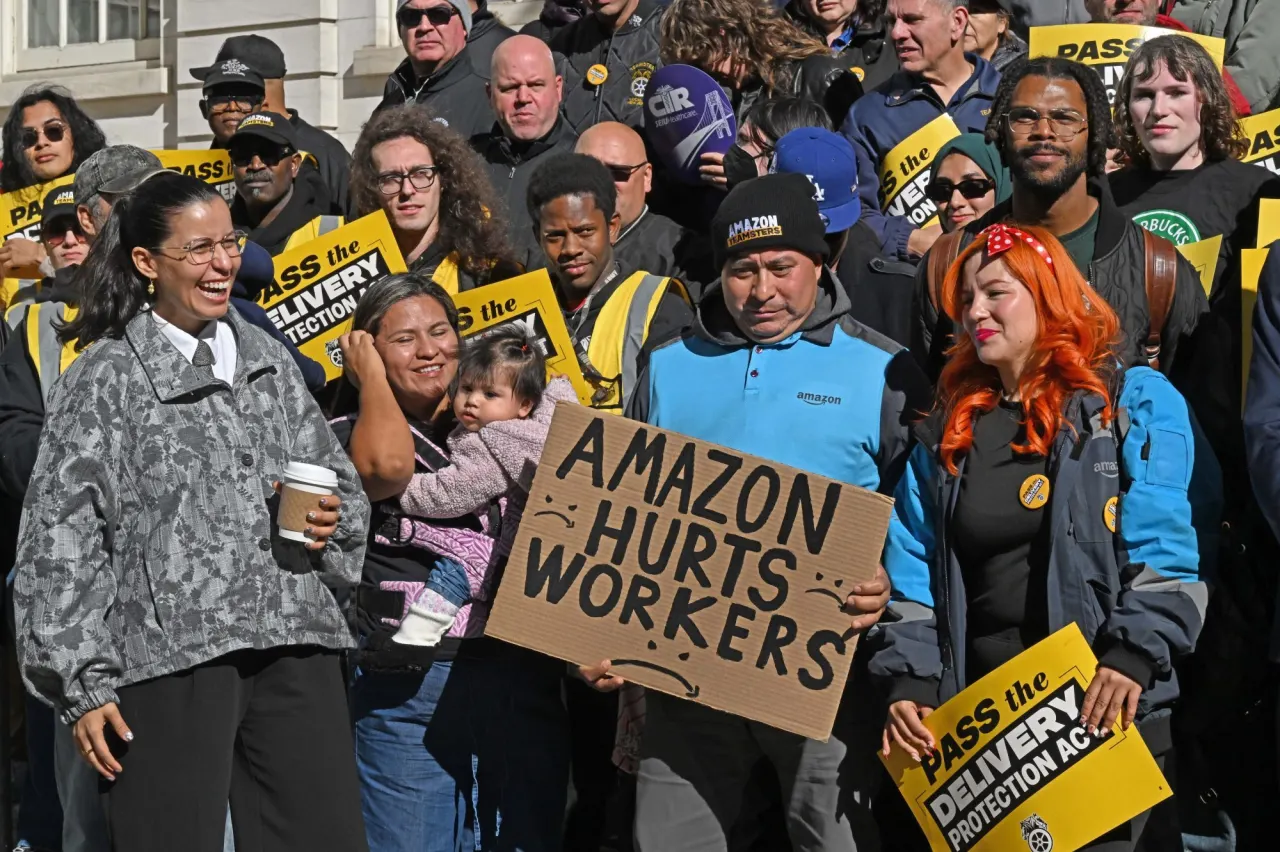
The article argues that New York City Council member Tiffany Cabán’s proposed Delivery Protection Act would help unions organise Amazon delivery workers by restricting the use of subcontractors. It portrays the measure as part of a communist political agenda, a characterisation based on comments by a union member who described himself as a communist and said he was organising from within Amazon.
The article says the bill would ban subcontracting for last-mile deliveries, while exempting government bodies, and that Mayor Zohran Mamdani has pledged to sign it if passed. It cites existing delivery workers’ average pay of $24 an hour and health insurance, and says Amazon warns the bill could add up to $5 per delivery, cost customers an average of $664 a year and put up to 10,000 city jobs at risk. These are claims presented by the article; it also argues that the bill’s promised safety benefits are not supported by higher-than-average injury rates.
In short
- The proposed bill would restrict subcontracted last-mile deliveries.
- Amazon warns it could raise fees and cost up to 10,000 city jobs.
- The article disputes supporters’ case for worker safety and conditions.
Steelman: both sides, in good faith
The strongest fair case each way — we don't pick a winner.
The case for
Supporters could argue that restricting subcontracting would make Amazon more directly accountable for workers’ pay, safety and conditions, while giving delivery workers a clearer path to organise and bargain collectively. They may see the bill as a proportionate response to the power imbalance between a major company and workers, and argue that any added costs should be weighed against stronger protections and fairer employment.
The case against
Opponents could argue that banning subcontractors would limit a business model that helps coordinate last-mile deliveries and could raise costs for customers or reduce jobs, as Amazon warns. They may also question whether the proposed restrictions are justified by the safety evidence cited in the article, and argue that workers’ existing pay and benefits should be considered before imposing a broad change to the industry.