NYC Mayor Mamdani Reverses Campaign Promise on Netanyahu Arrest, Maintains ICE Abolishment Demand
Developed over time first seen 3 months ago
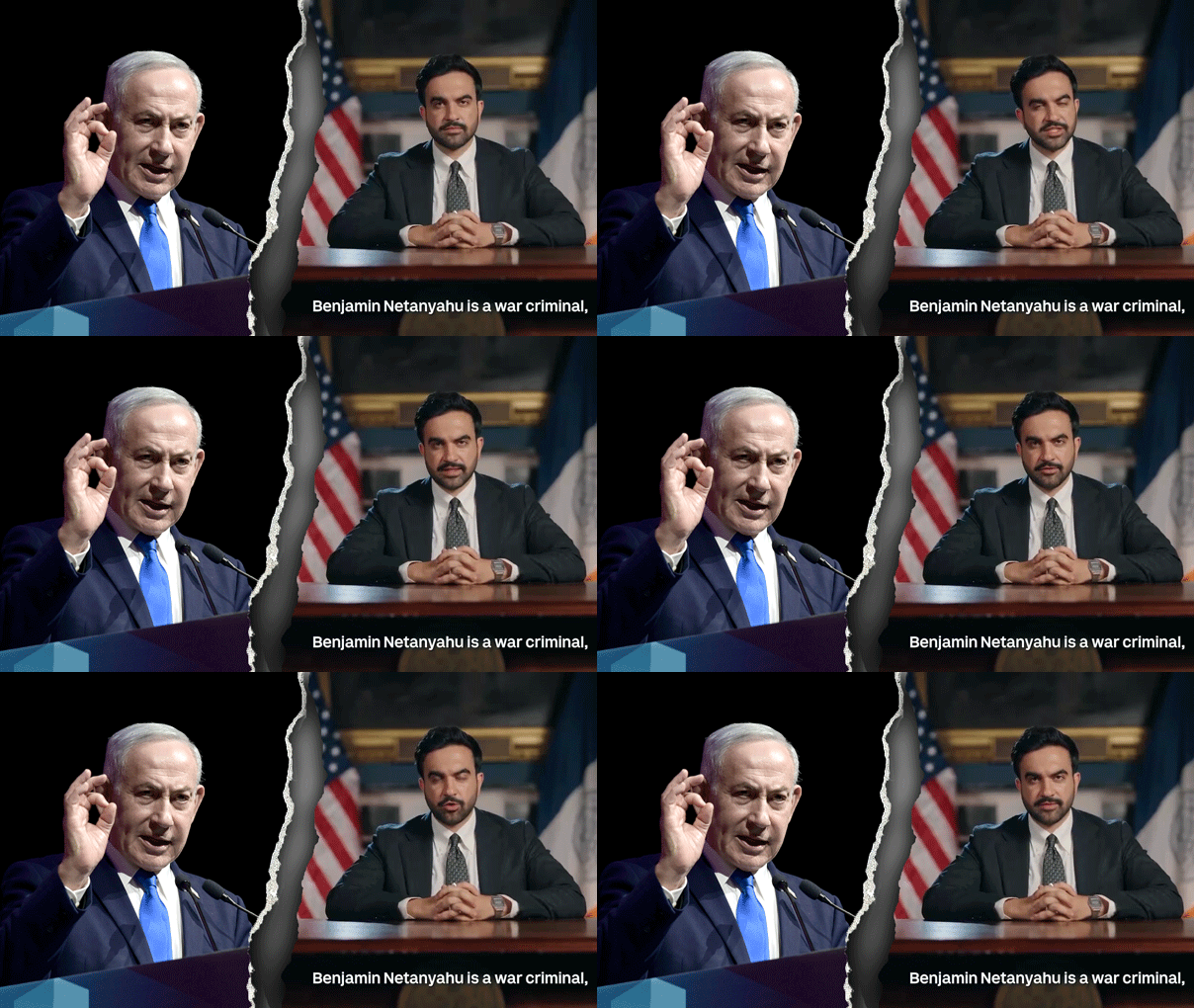
New York City Mayor Zohran Mamdani has walked back a campaign pledge regarding Israeli Prime Minister Benjamin Netanyahu, conceding that the city lacks the legal authority to arrest him should he visit New York. The reversal reflects the practical limits of municipal power in international matters and represents a significant shift from his earlier position on the issue.
While retreating on the Netanyahu commitment, Mamdani has remained firm on other policy positions, particularly his call for the abolishment of Immigration and Customs Enforcement (ICE). Despite expressing confidence in his ability to maintain a working relationship with President Donald Trump, the mayor has signalled his unwillingness to compromise on immigration enforcement reform, indicating an ongoing area of contention between City Hall and the Trump administration.
- Sources
- 2
- Outlets
- 1
- Left · Centre · Right
- 0 · 0 · 2
In short
- Mamdani acknowledges NYC lacks authority to arrest Netanyahu if he visits the city, reversing an earlier campaign promise
- Mayor maintains that ICE should be abolished despite expressing willingness to work with the Trump administration
- The positions highlight both pragmatic constraints on municipal power and persistent policy differences with the White House
How this story developed
- 3 months ago New York City Mayor Zohran Mamdani has walked back a campaign pledge regarding Israeli Prime Minister Benjamin Netanyahu, conceding that the city lacks the legal authority to arrest him should he visit New York.
Steelman: both sides, in good faith
The strongest fair case each way — we don't pick a winner.
The case for
Supporters see this as principled judgement rather than inconsistency: a mayor recognising that arresting a foreign head of state was never legally within City Hall's power shows honesty and respect for the law, rather than empty symbolism. At the same time, holding firm on ICE abolition reflects a genuine conviction, shared by many immigrant communities in New York, that current federal enforcement tactics cause real harm to residents, and that a mayor should use the moral and political weight of the office to advocate for change even against a hostile federal administration.
The case against
Critics argue that abandoning a signature campaign pledge, even for sound legal reasons, raises fair questions about which other promises might quietly fall away once in office, and that voters deserve consistency from the candidates they elect. They further contend that continuing to demand ICE's abolition, an agency entirely outside municipal control, is an unrealistic and provocative stance that risks needless confrontation with Washington, potentially jeopardising federal cooperation and funding that the city relies on, rather than pursuing achievable reforms to enforcement practices.
Explained simply
New York City has a mayor, Zohran Mamdani, who took office after campaigning on a series of left-wing policy pledges. Two of these concerned matters largely outside a mayor's usual remit: a promise related to arresting Israeli Prime Minister Benjamin Netanyahu if he set foot in the city, and a call to abolish Immigration and Customs Enforcement (ICE), the federal agency responsible for immigration enforcement across the United States.
These pledges matter because city mayors have no authority over international arrest warrants, which fall under national governments and bodies such as the International Criminal Court, nor do they control federal agencies like ICE, which answer to Washington rather than City Hall. This creates a gap between campaign rhetoric and what a mayor can actually deliver once in office, and puts Mamdani in a position where he may need to work with the Trump administration even while opposing some of its policies.
Netanyahu has faced an International Criminal Court arrest warrant over the conduct of Israel's military campaign in Gaza, a case that has drawn strong reactions from supporters and critics of Israel alike. ICE, meanwhile, has become a focal point of the broader US debate over immigration policy, with the Trump administration expanding its enforcement activities and progressive politicians like Mamdani pushing back against it.
Coverage · 2 sources
Bias meters
From 2 rated sources.
Elections Government Middle East Politics World