World news and discussion on TalkFuse.
NYC nail salon air quality was tracked for a week — the findings were troubling
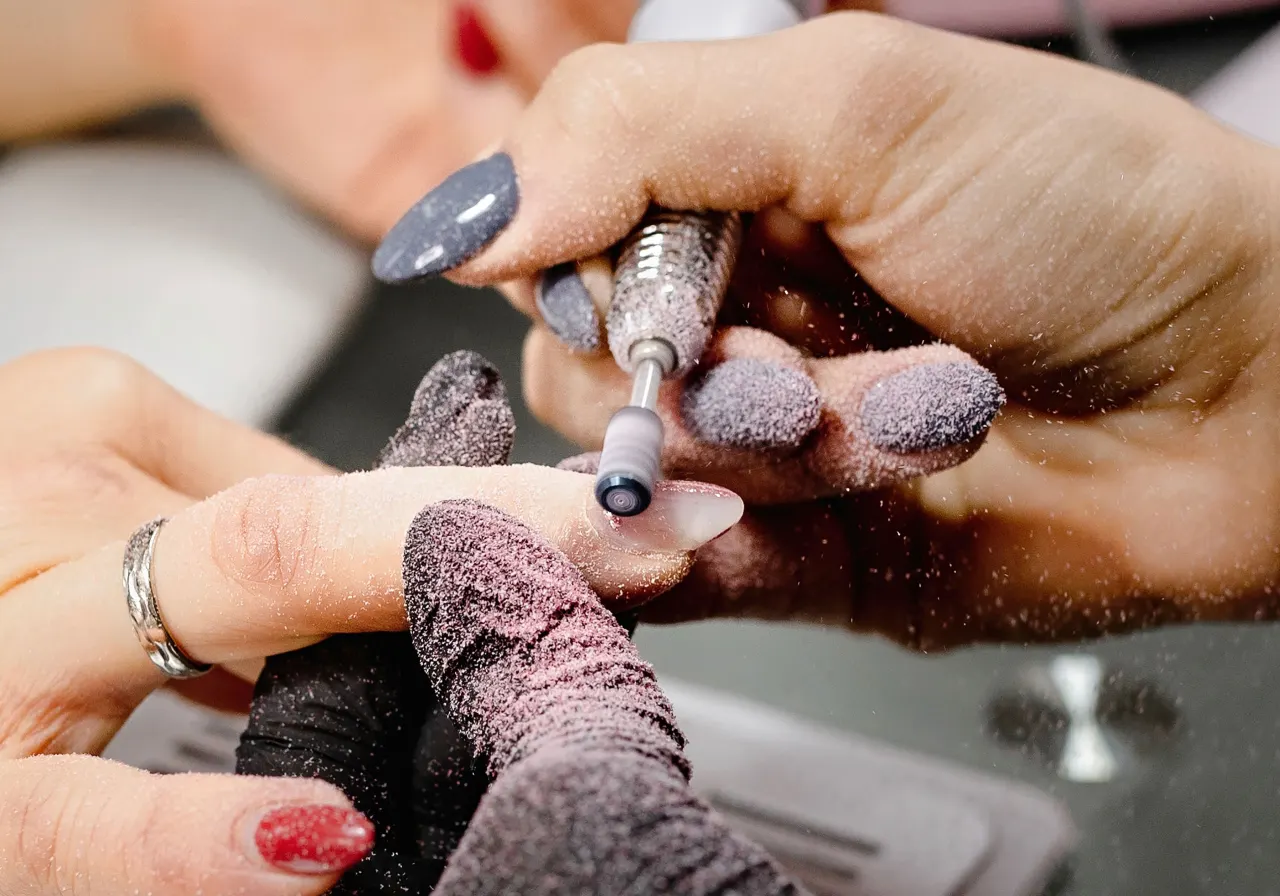
Researchers monitoring air in five New York City nail salons found that levels of volatile organic compounds (VOCs) repeatedly spiked during the day. Their findings suggest that conventional sampling methods may miss these short-lived peaks, potentially underestimating long-term health risks for salon workers.
Benzene and methacrylates were detected at low levels, but lifetime exposure models exceeded Environmental Protection Agency safety benchmarks in several scenarios, particularly at salons with the highest VOC concentrations. The study focused on workers exposed throughout their shifts over months or years; it does not establish the same risk for occasional customers. The researchers also said current standards may not account well for workers who differ from the healthy adult men they were designed around.
In short
- Five salons had repeated spikes in airborne chemicals.
- Lifetime exposure models exceeded safety benchmarks in several scenarios.
- The findings concern workers’ ongoing exposure, not occasional visits.
Steelman: both sides, in good faith
The strongest fair case each way — we don't pick a winner.
The case for
The findings support closer monitoring and stronger protections for salon workers: brief VOC peaks may be missed by conventional sampling, while exposure repeated over years could pose risks that lifetime models suggest are above safety benchmarks in some scenarios. Standards should account for the people actually doing the work, including workers who may not fit the healthy adult male profile used to design them.
The case against
The study involved only five salons, detected benzene and methacrylates at low levels, and used exposure models rather than establishing that workers have suffered harm. Its results may justify further research, but broad new rules based on limited evidence could impose costs before the size of the real-world risk is clear; the reported findings also do not establish comparable risks for occasional customers.