World news and discussion on TalkFuse.
NYC straphanger’s relatives ‘wanted to cry’ over horrific assault by 12-year-old that left him clinging to life
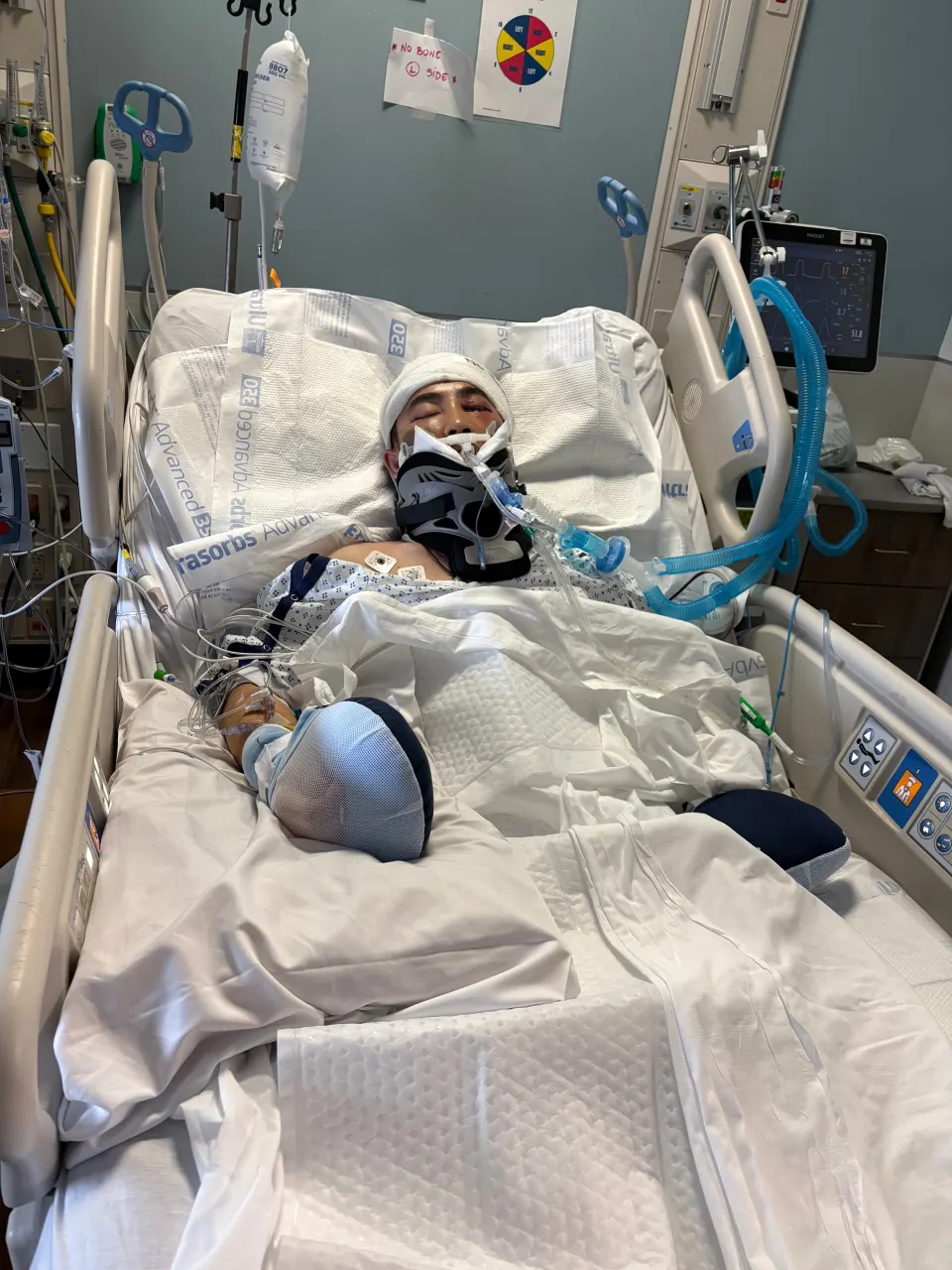
A 42-year-old Chinese immigrant, a married father of two, was left in a critical condition after being beaten on a D train platform in Borough Park, Brooklyn, on Wednesday evening. A 12-year-old has been charged with attempted murder, and police are still seeking a second youth believed to have been involved. The case has raised concern about serious violence committed by minors and how such cases are handled.
The victim, who does not speak English, was heading home from his restaurant job when the attack happened shortly before 9.30pm near Fort Hamilton Parkway station. Police initially believed he had told the youths to be quiet, but they and his family now say the assault appears to have been random, and nothing was stolen. He remains on a ventilator at Maimonides Medical Center and has not regained consciousness since undergoing surgery to remove fluid from his brain. The 12-year-old was arrested on Friday at Coney Island.
In short
- Man, 42, remains on ventilator after Brooklyn subway platform attack
- 12-year-old charged with attempted murder; second suspect sought
- Police and family say the attack appears random; nothing was stolen
Steelman: both sides, in good faith
The strongest fair case each way — we don't pick a winner.
The case for
The strongest case for tougher accountability starts from the gravity of the harm: a man is on a ventilator, and the families of victims are entitled to see a justice system respond in proportion to what was done. Advocates argue that age should reduce culpability but not remove it entirely when the offence is this serious, and that adult-level charges can deter other violence and protect commuters who rely on public transport. They also contend that public confidence in the courts depends on visible consequences, and that a system seen as lenient toward serious violence risks eroding trust among the communities most affected by it.
The case against
The strongest case for a rehabilitation-led approach begins with the recognition that a 12-year-old's judgement, impulse control and capacity for change differ fundamentally from an adult's, which is why juvenile courts and confidential records exist. Advocates argue that the most effective long-term protection for the public comes from identifying the underlying causes of violence, such as untreated trauma, mental illness, family breakdown and lack of support, and intervening early so that young people do not become adult offenders. They warn that prosecuting children as adults can entrench criminality, and they hold that a just response to a child's crime must still weigh what the child can become, not only what they did.