Culture news and discussion on TalkFuse.
Oasis Break Beatles’ Chart Record, Return To Hot 100, Inspire Travis Scott’s New Sound
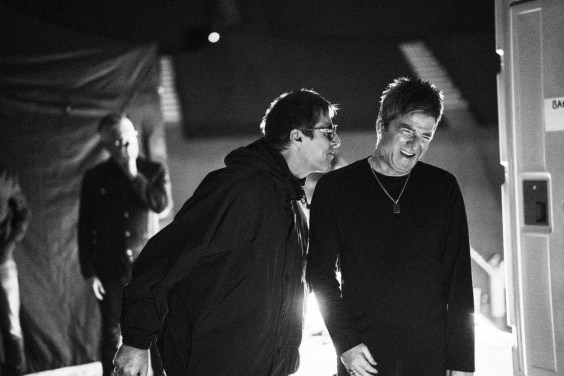
Oasis's 1995 album (What's The Story) Morning Glory? has been named the biggest studio album in UK chart history, overtaking the Beatles' Sgt. Pepper's Lonely Hearts Club Band, according to a new list marking 70 years of the Official Charts Company. The milestone reflects the band's ongoing reunion buzz, with their comeback also helping "Wonderwall" return to the US Hot 100 for the first time since 1996 after it became an unofficial anthem for England's men's football team at the 2026 World Cup.
On the all-time albums list, two compilations sit above Oasis: Queen's Greatest Hits at number one with 7.8 million chart units and ABBA's Gold at number two with 7.1 million, while Morning Glory? ranks third overall and top among studio albums with 6.2 million units, also surpassing Adele's 21. Separately, Travis Scott told Variety that Oasis are among the current influences on his new sound, alongside Van Halen, Don Toliver, Raphael Saadiq and Daft Punk, as he looks to make his live shows feel more theatrical and reach audiences further from the stage.
In short
- Oasis's Morning Glory? overtakes Beatles as UK's top studio album
- "Wonderwall" re-enters Hot 100 via England World Cup anthem status
- Travis Scott cites Oasis as an influence on his new musical direction
Explained simply
Oasis were one of Britain's biggest rock bands in the 1990s, known for hit songs and significant cultural impact. Their 1995 album (What's The Story) Morning Glory? has just been recognised as the most commercially successful studio album in UK chart history, surpassing records held by The Beatles and Adele. This measurement combines traditional sales with streaming figures, as tracked by the Official Charts Company.
One of Oasis's signature songs, "Wonderwall" from the same album, has recently returned to the US Hot 100 chart for the first time since 1996. The resurgence has been partly driven by the song becoming an unofficial anthem among England's men's football supporters at the 2026 World Cup. The development illustrates both the lasting cultural appeal of 1990s British rock and the way major sporting events can bring renewed interest in older music.
Art Culture Entertainment Music