Culture news and discussion on TalkFuse.
‘Oatzempic’ hits Britain: Oat sales soar as shoppers turn to ‘nature’s Ozempic’ in bid to mimic the effect of weight-loss drugs
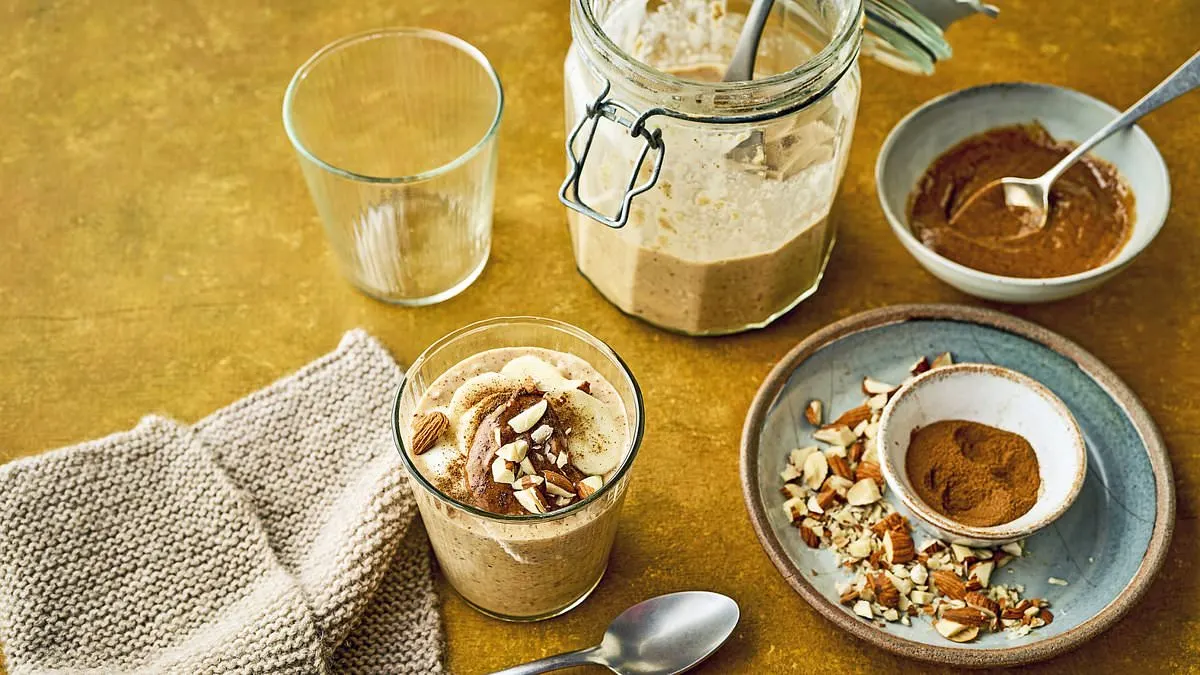
UK supermarket shoppers are buying more oats and other high-fibre foods as interest grows in “oatzempic”, a social-media trend that presents oats as a natural way to feel fuller. The shift matters because it reflects how weight-loss drugs such as Ozempic and Mounjaro are influencing food choices, although the article does not establish that oats reproduce the effects of those medicines.
Waitrose reported a 124 per cent rise in sales of its Scottish Oats this year and a 160 per cent increase in searches for overnight oats. Other trends included savoury porridge, with searches for miso ginger porridge up 120 per cent month on month, and a 236 per cent rise in sales of its savoury seed and nut topper. The retailer also cited growing interest in psyllium husk, lower-additive foods and glass food containers; the figures come from its annual food and drink report.
In short
- Waitrose Scottish Oats sales rose 124 per cent this year.
- Searches for overnight oats increased by 160 per cent.
- The trend reflects changing food choices alongside GLP-1 drug use.
Explained simply
Ozempic and Mounjaro are prescription medicines used for weight loss and diabetes. They can reduce appetite and help people feel full. “Oatzempic” is a social-media name for a drink made with oats, water and lime, promoted as a way to feel fuller; it is not the same as either medicine.
Oats contain fibre, which can help make meals more filling. The trend sits alongside wider interest in high-fibre foods and ways of eating that may support weight management. Claims that oats reproduce the effects of weight-loss medicines are not established by the reported sales figures.
The story also reflects how medicines and online trends can influence what shoppers buy. Waitrose’s figures cover changes in sales and searches for particular products and recipes, rather than showing why individual shoppers chose them.
Culture Food Health Medicine Research Science UK World