Oba Femi shows the future of WWE is here as he takes down Brock Lesnar in Hell in a Cell match at SummerSlam
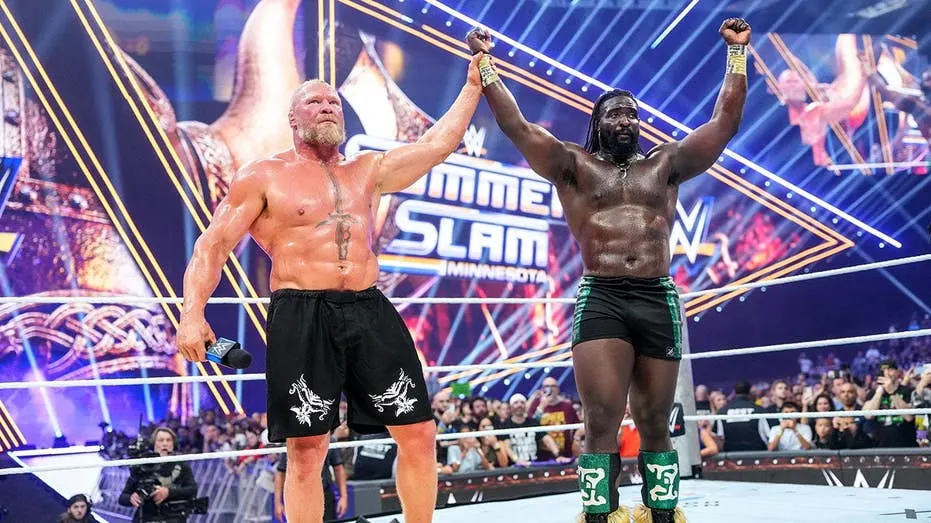
Oba Femi defeated Brock Lesnar in a Hell in a Cell match at WWE's SummerSlam event, held at U.S. Bank Stadium in Minneapolis. The result is being framed as a symbolic changing of the guard for WWE, with the young Femi overcoming one of the promotion's most dominant veteran stars in a brutal, high-stakes stipulation match.
The Hell in a Cell bout, contested inside a steel cage structure, was described as chaotic from the outset. Femi ultimately pinned Lesnar to secure the win, a result being presented by commentators as evidence that WWE's next generation of talent is ready to take centre stage.
- Oba Femi beat Brock Lesnar in a Hell in a Cell match at SummerSlam
- Event held at U.S. Bank Stadium, Minneapolis
- Result seen as a symbolic shift towards WWE's next generation
New here? Start with this
Oba Femi is a wrestler competing in WWE, the American professional wrestling promotion known for its scripted, theatrical matches performed under real athletic conditions. He has been building a reputation as one of the company's rising younger stars, typically featured on WWE's NXT brand, which serves as a proving ground for newer talent before they move up to the main roster.
Brock Lesnar is one of WWE's most famous and dominant performers, a former UFC heavyweight champion who has spent much of his WWE career being presented as a nearly unbeatable force. SummerSlam is one of WWE's biggest annual events, and Hell in a Cell is a special match type in which the ring and surrounding area are enclosed by a tall steel cage, generally reserved for the promotion's more intense, personal or high-stakes rivalries.
Because WWE storylines are scripted, match outcomes are determined by the company rather than by open competition, meaning results like this are often used to signal creative decisions about which performers WWE wants to elevate. A win for a younger star over an established veteran like Lesnar is therefore typically read within wrestling coverage as a deliberate statement about the direction of the promotion, rather than a contest.